Dentists across the country are seeing a new pattern in patients taking Ozempic, Wegovy, Mounjaro, and other GLP-1 medications: more cavities, more sensitivity, and more complaints of a persistently dry mouth. Patients call it “Ozempic teeth,” and while it isn’t an official diagnosis, the dental problems behind the phrase are real and increasingly common.
Ozempic teeth is not caused by the drug itself damaging enamel directly. It happens because GLP-1 medications reduce saliva production and change eating and digestion patterns, and saliva is the mouth’s main defense against acid and bacteria. Less saliva means a higher risk of cavities, gum inflammation, and enamel erosion.
What Is “Ozempic Teeth”?
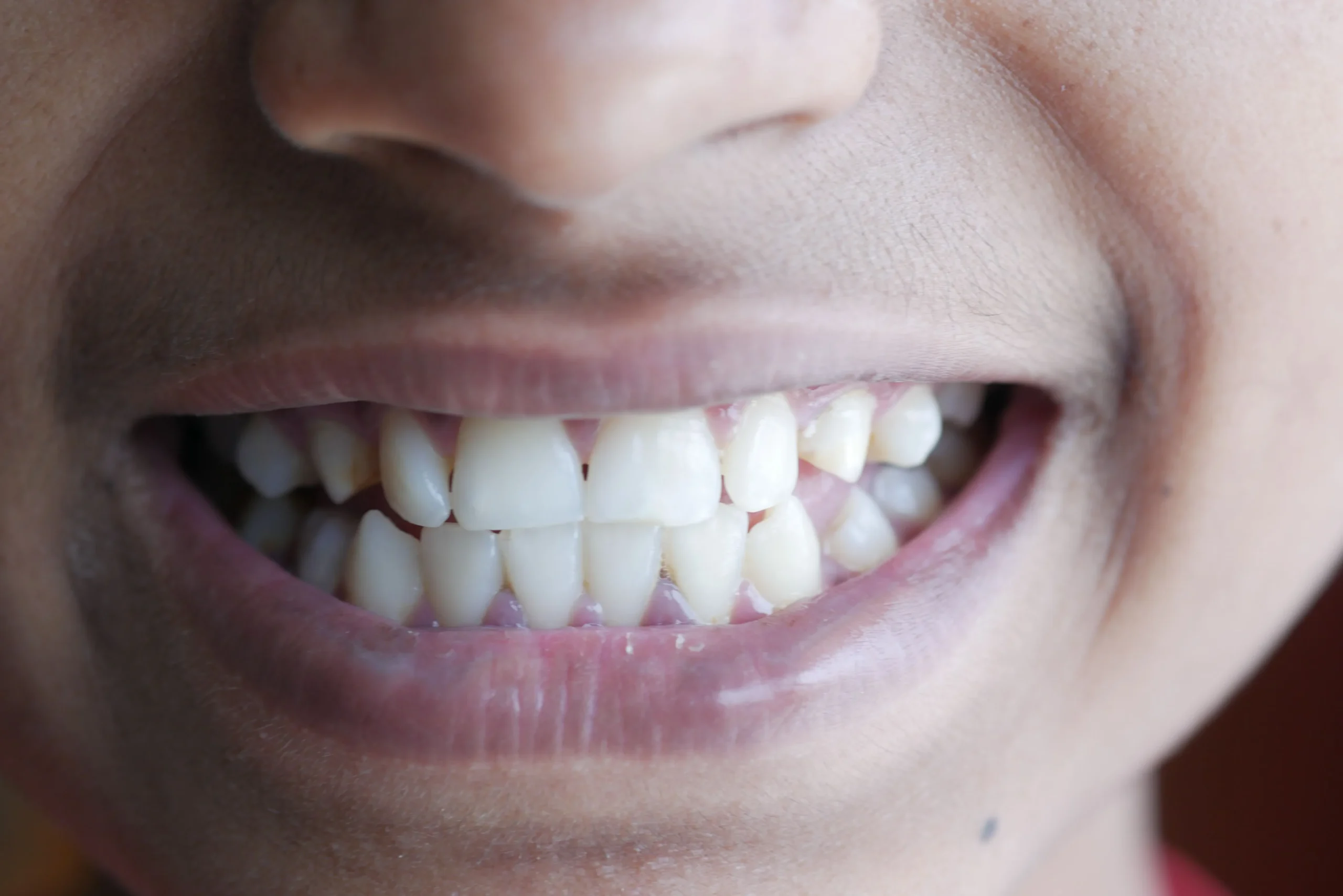
“Ozempic teeth” is the term patients and dentists use to describe a cluster of oral health issues showing up more often in people taking semaglutide (Ozempic, Wegovy) or tirzepatide (Mounjaro, Zepbound). The most commonly reported symptoms include dry mouth, new or fast-developing cavities, tooth sensitivity, inflamed or bleeding gums, bad breath, and in more advanced cases, cracked or loose teeth.
These medications were not designed with oral health in mind, and current research has not established a direct mechanism where the drug attacks tooth structure. According to the National Institute of Dental and Craniofacial Research, saliva plays a central role in protecting enamel and controlling bacteria, so what’s changed for these patients is the environment inside the mouth, and that environment is what actually puts teeth at risk.
Why GLP-1 Medications Affect Your Mouth
Three overlapping side effects explain most of what’s being reported behind Ozempic teeth, and each one chips away at the mouth’s natural defenses in a different way.
| Side Effect | Why It Happens | Dental Risk It Creates |
|---|---|---|
| Dry mouth (xerostomia) | GLP-1 drugs slow digestion and affect nerve signals that regulate saliva glands; dehydration adds to the effect | Less saliva to neutralize acid and wash away bacteria, raising cavity and gum disease risk |
| Nausea and reflux | Delayed stomach emptying is a core mechanism of these medications, as noted in FDA prescribing information for GLP-1 medications | Repeated acid exposure softens and wears down enamel |
| Appetite and diet changes | Reduced appetite often shifts people toward smaller, more frequent, sometimes more acidic or sugary snacks | More frequent acid attacks on teeth throughout the day |
Any one of these on its own is manageable. Together, and sustained over months of treatment, they add up to a meaningfully higher risk profile than most patients expect from a weight-loss or diabetes medication.
Warning Signs of Ozempic Teeth Worth Paying Attention To
Most patients don’t notice a single dramatic symptom of Ozempic teeth. Instead, oral health tends to shift gradually, which is exactly why it’s easy to miss until a cavity is already advanced.
- A mouth that feels dry most of the day, not just occasionally
- New sensitivity to cold, sweet, or hot foods
- Gums that bleed when brushing or flossing
- A sour or acidic taste, especially after meals
- Bad breath that doesn’t improve with normal brushing
- A cavity discovered at a checkup in a tooth that was previously healthy
How to Protect Your Teeth While Taking Ozempic, Wegovy, or Mounjaro
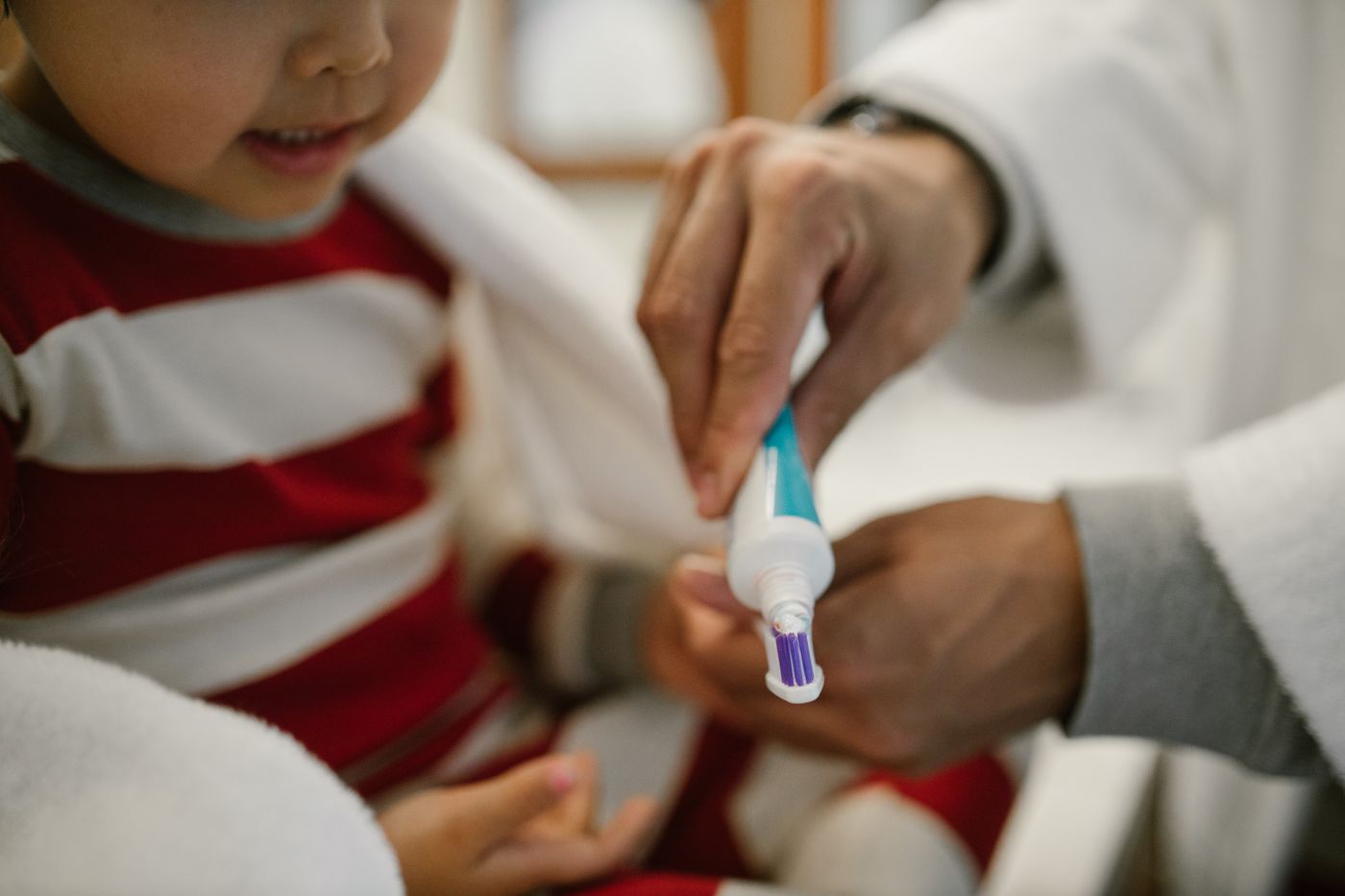
Managing Ozempic teeth doesn’t mean patients need to choose between their weight-loss or diabetes treatment and their oral health. The American Dental Association recommends treating any new medication as a reason to review your preventive care plan with your dentist. It means the daily routine needs a few adjustments while on the medication.
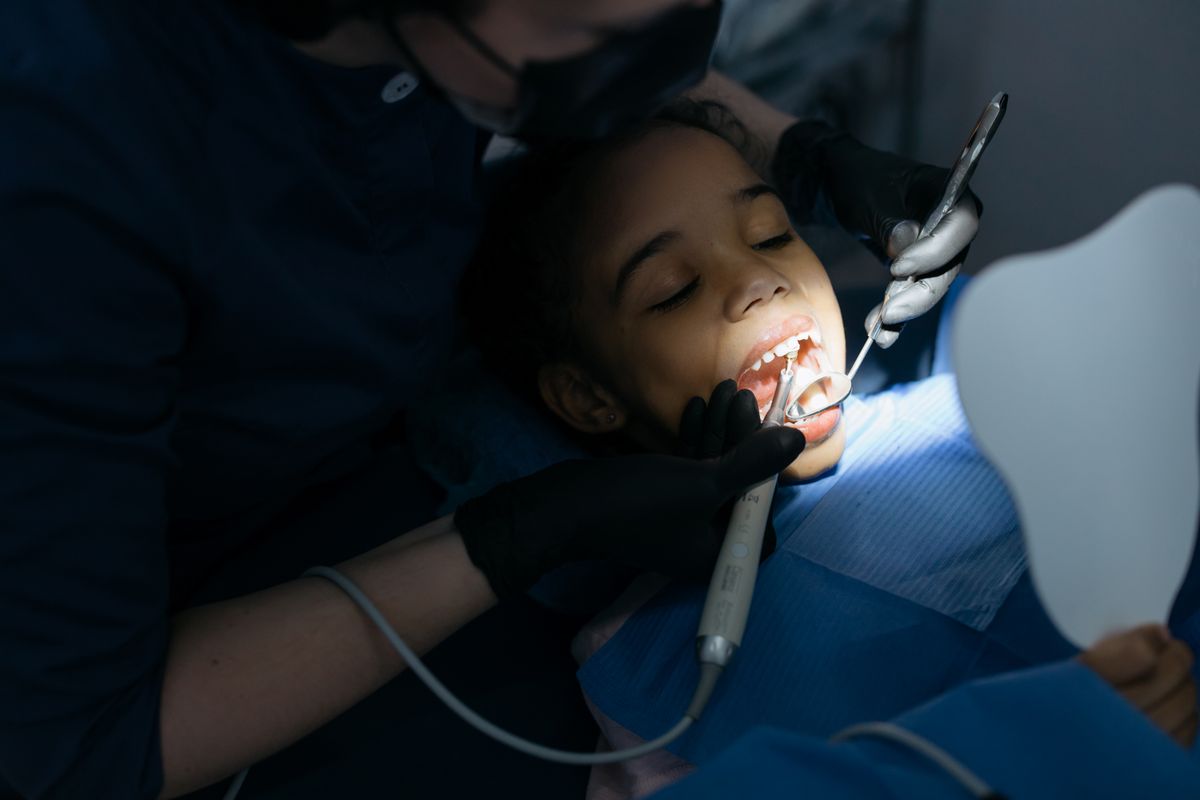
- Tell your dentist you’re on a GLP-1 medication. This changes how often you may need cleanings and fluoride treatment, and lets your dental team watch for early enamel changes before they become cavities.
- Sip water throughout the day, not just when thirsty. Consistent hydration is the single most effective way to counter dry mouth.
- Use a fluoride toothpaste, and ask about a prescription-strength option if dry mouth is significant.
- Chew sugar-free gum or use xylitol lozenges to stimulate saliva flow between meals.
- Wait about 30 minutes after nausea or reflux before brushing, since enamel is temporarily softened by stomach acid and brushing too soon can wear it down further.
- Keep your regular six-month checkups, or move to more frequent visits if your dentist recommends it, the same way many families already plan seasonal checkups around school schedules. Patients who stay on schedule catch problems while they’re still minor.
Common Mistakes Patients Make With Ozempic Teeth
The biggest mistake is assuming dry mouth is a minor inconvenience rather than a dental risk factor. Patients often address the discomfort of dry mouth without realizing it’s also raising their cavity risk, and only connect the dots after a checkup turns up new decay.
Another common mistake is brushing immediately after vomiting or acid reflux. It feels like the right response, but scrubbing enamel while it’s softened by acid accelerates wear rather than preventing it. Rinsing with water first and waiting before brushing protects the tooth surface far better.
Finally, many patients don’t mention their medication to their dental office at all, assuming it’s not relevant to a dental visit. It is relevant, and it’s information your dental team needs to tailor your preventive care correctly.
Frequently Asked Questions About Ozempic Teeth
Does Ozempic directly cause cavities?
Not directly. Ozempic and similar GLP-1 medications don’t attack enamel themselves. They raise cavity risk indirectly through dry mouth, acid exposure from nausea or reflux, and changed eating patterns.
Is dry mouth from Ozempic permanent?
No, dry mouth from GLP-1 medications is typically manageable and often improves with hydration, saliva stimulants, and dose adjustments discussed with your prescribing doctor. It’s rarely a permanent condition.
Should I tell my dentist I’m taking Ozempic or Mounjaro?
Yes. Letting your dental team know allows them to adjust your cleaning schedule, recommend fluoride treatment, and watch for early signs of enamel erosion or decay before they progress.
Can I still get dental treatment while on a GLP-1 medication?
Yes. Routine cleanings, fillings, and most dental procedures are safe for patients on GLP-1 medications. Your dentist may ask about your last dose timing before sedation-based procedures specifically.
How often should I see the dentist while taking these medications?
Many dentists recommend keeping the standard six-month schedule, though some patients with significant dry mouth or early enamel changes are moved to more frequent visits, such as every three to four months.
Ozempic teeth is a real side effect of a treatment that has genuinely changed the way many patients manage their weight and blood sugar. Understood early, managed with a few consistent habits, and monitored by a dental team that knows what to look for, it doesn’t have to be a lasting problem.