Walk through the toothpaste aisle at any store in Orange County and you will find a full shelf of fluoride-free toothpaste for kids, most of it labeled natural, gentle, or hydroxyapatite. Parents bring these tubes into our Anaheim office almost every week now and ask the same thing: is this actually okay for my child?
Here is the short answer. Fluoride-free toothpaste for kids is safe in the sense that it will not harm your child. Whether it protects their teeth is a different question, and the answer depends on how much cavity risk your child already carries. Fluoride has decades of evidence behind it. Hydroxyapatite, the ingredient most fluoride-free formulas rely on, has promising but far thinner clinical data, and that gap matters more for some children than others.
What fluoride-free toothpaste for kids actually means
Fluoride-free means the tube contains no sodium fluoride, stannous fluoride, or sodium monofluorophosphate, the active anti-cavity ingredients in conventional toothpaste. Everything else usually stays: mild abrasives that lift plaque, humectants, flavoring, and often a foaming agent.
That distinction matters because cleaning and protecting are two separate jobs. Any toothpaste, combined with decent brushing, removes plaque. Keeping enamel from dissolving under repeated acid attack is chemistry, and that is where the active ingredient earns its place.
Most fluoride-free children’s formulas sold in the United States replace fluoride with one of three things: hydroxyapatite (often labeled nano-hydroxyapatite or n-Ha), xylitol, or nothing active at all. That third category is the one worth watching. A tube that markets itself on what it leaves out, without adding anything in its place, is essentially flavored cleaning paste.
Why so many parents are asking about this right now
This stopped being a fringe question in 2025. Utah became the first state to end community water fluoridation, Florida followed the same year, and lawmakers in several other states have debated similar measures since. National coverage of those votes pushed fluoride into ordinary dinner-table conversation for the first time in decades, and sales of fluoride-free toothpaste for kids climbed right alongside it.
The research response has been fairly consistent. A widely cited 2025 modeling study projected that removing fluoride from public water nationwide would produce roughly 25 million additional cavities over five years, along with close to 10 billion dollars in added treatment costs.
A follow-up analysis published in March 2026 reached similar conclusions for children specifically, and found the effect concentrated among families with the least access to dental care. None of that tells you what to put on your six-year-old’s toothbrush tonight. It does explain why dentists get uneasy when fluoride starts disappearing from two places at once: the water supply and the toothpaste.
Hydroxyapatite vs fluoride: what the evidence actually shows
Hydroxyapatite is not a marketing invention. It is the mineral your enamel is largely made of, and toothpaste versions work by depositing microscopic particles onto the tooth surface to refill early demineralized areas. Several trials, including an 18-month head-to-head comparison with fluoride, found no meaningful difference in new cavity development between the two groups.
That is a genuinely encouraging result. It is also a limited one. Fluoride’s evidence base spans roughly seventy years, multiple countries, and every risk category of patient, including children with rampant decay. Both the American Dental Association and the American Academy of Pediatric Dentistry still recommend fluoride toothpaste from the eruption of the first tooth, in age-appropriate amounts.
| Fluoride | Hydroxyapatite | |
|---|---|---|
| How it works | Forms fluorapatite, a more acid-resistant crystal, and disrupts cavity-causing bacteria | Deposits enamel-like mineral onto the surface, refilling early demineralized spots |
| Strength of evidence | About seventy years of clinical and population data across all risk levels | Roughly a decade of trials, mostly small and mostly in lower-risk participants |
| If swallowed | Years of excess during tooth development can cause dental fluorosis, usually faint white flecks | Biocompatible, with no known fluorosis risk |
| Professional backing | Recommended by the ADA, AAPD, and CDC | Recognized as promising, not yet a first-line US recommendation |
| Best suited to | Children at moderate or high cavity risk, or in areas with little water fluoridation | Children who cannot yet spit reliably, or families who have decided against fluoride |
Does Anaheim tap water actually contain fluoride?
Partially, and less than most local parents assume. The City of Anaheim does not add fluoride to its own water. The Metropolitan Water District of Southern California has fluoridated its treated supply since 2007, and Anaheim buys some of that water, but imported MWD water typically makes up only a modest share of what comes out of local taps. The rest is drawn from groundwater that is not fluoridated.
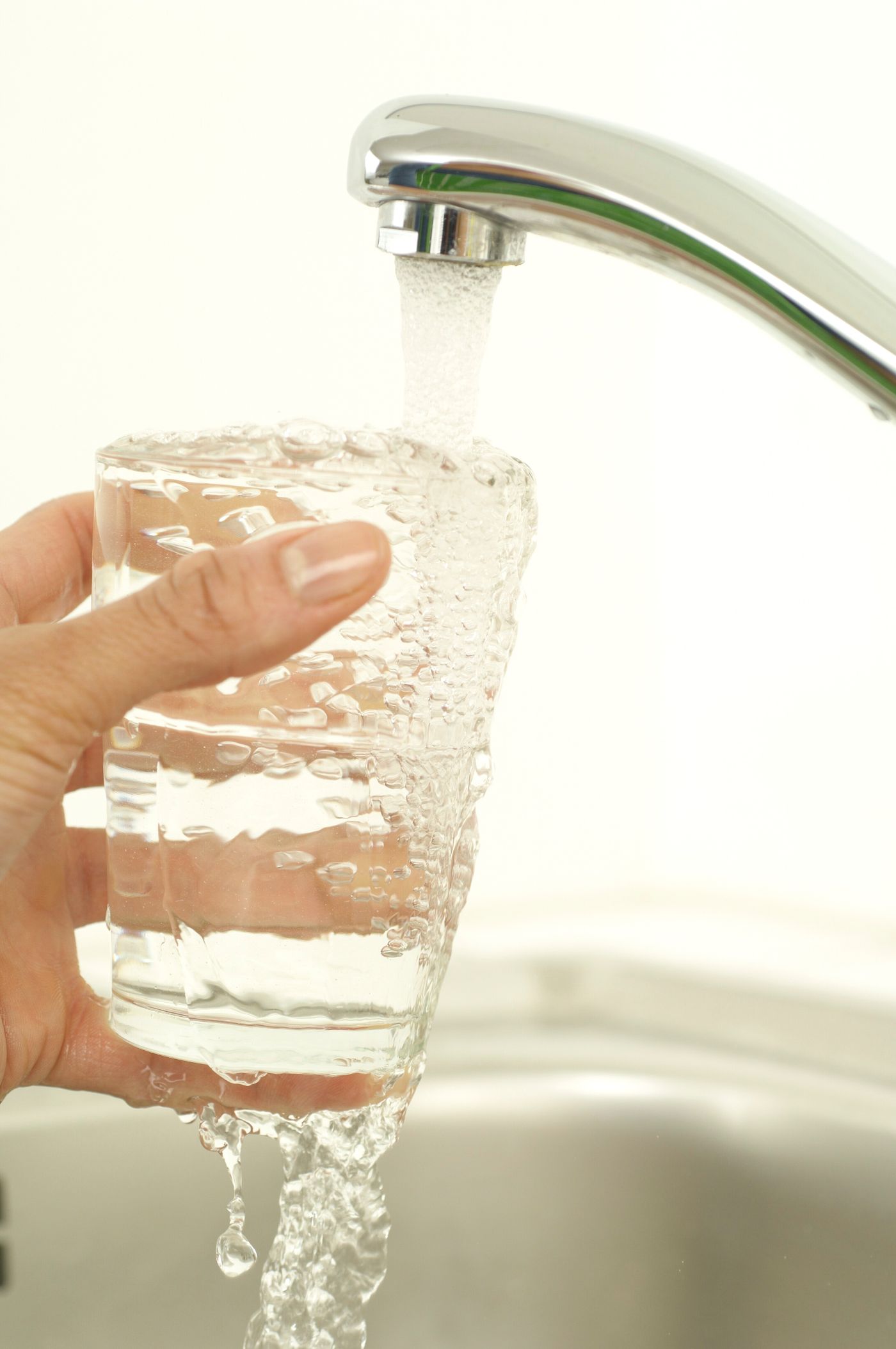
The practical result is that many Anaheim households already receive less fluoride from their water than a family in a fully fluoridated city. Remove it from the toothpaste as well and you have quietly taken away both of the routine, low-effort sources of protection at the same time.
That is the scenario we watch for, and it rarely comes from a deliberate decision. It usually happens by default. You can check what your address receives through the City of Anaheim’s fluoridation information. If your family drinks mostly bottled or filtered water, assume the fluoride contribution is close to zero, since reverse osmosis filters remove nearly all of it. That local detail is the first thing we check when a parent here asks about fluoride-free toothpaste for kids.
A practical way to decide for your child
Rather than treating fluoride-free toothpaste for kids as a yes-or-no debate, it helps to place your child in a risk band, because the same choice carries very different consequences depending on where they land.
Higher cavity risk looks like a previous cavity or filling, visible white spot lesions along the gumline, deep grooves in the molars, braces or other appliances, frequent snacking through the day, a medication or condition that reduces saliva, or a parent or sibling with a heavy cavity history. Children in this group get the clearest benefit from fluoride.
Lower cavity risk looks like no history of decay, a diet without constant sugar or acid exposure, consistent twice-daily brushing with adult supervision, regular checkups, and no dry-mouth issues. For these children, a well-formulated hydroxyapatite toothpaste is a far more defensible option, particularly for toddlers who swallow most of what goes into their mouth.
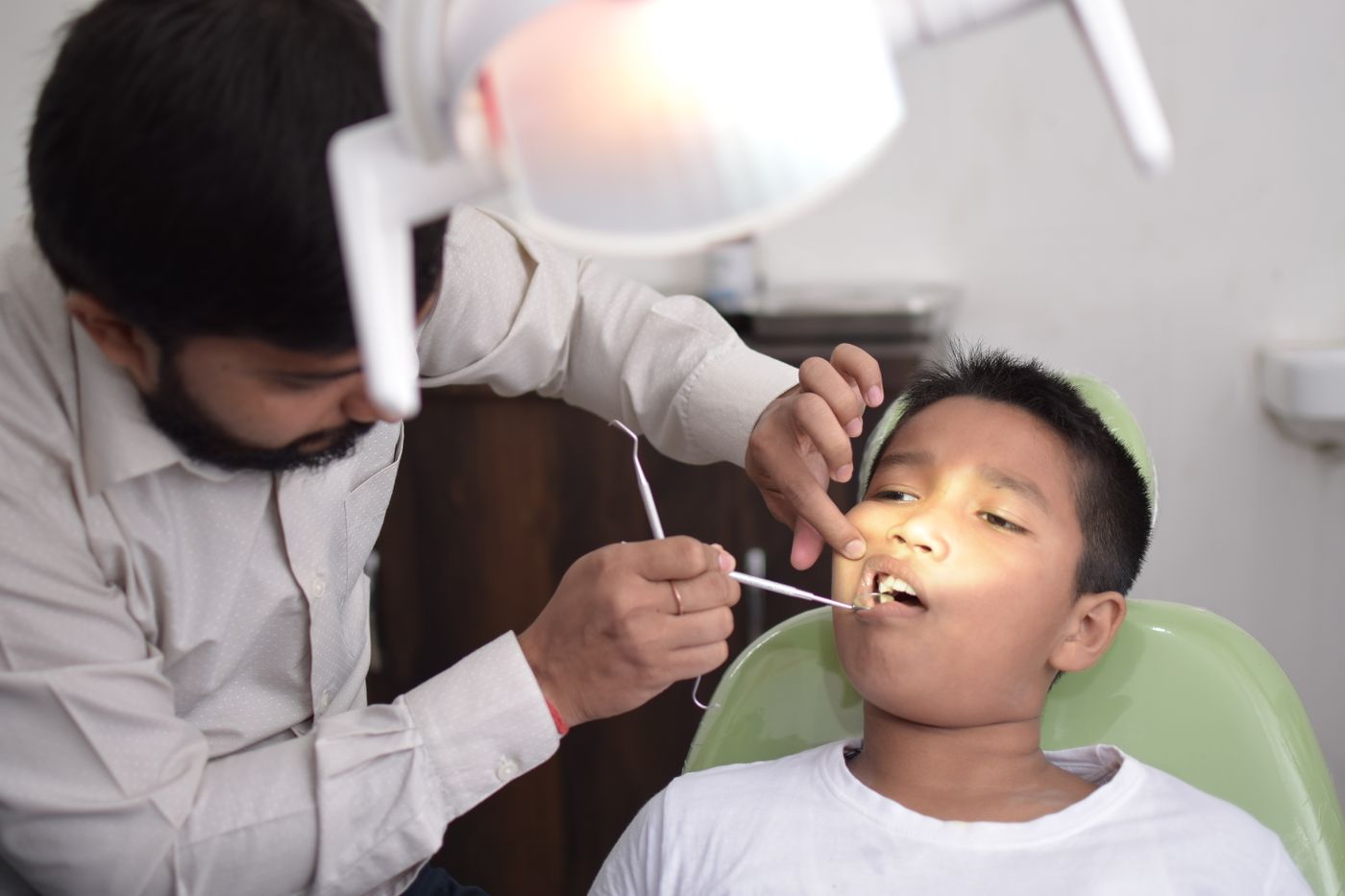
There is also a middle path that many families settle on, and it works well: hydroxyapatite toothpaste at home for daily brushing, combined with professional fluoride varnish at checkups. Varnish is painted onto the tooth surface and wiped off, so the swallowing concern that drives most fluoride-free decisions largely disappears.
Raising this at your child’s next visit, including the back-to-school checkup many families schedule this time of year, takes about two minutes and produces an answer specific to your child rather than a general one.
How much toothpaste your child should actually use
Most of the worry around fluoride and children comes down to dose, and dose is something parents control completely.
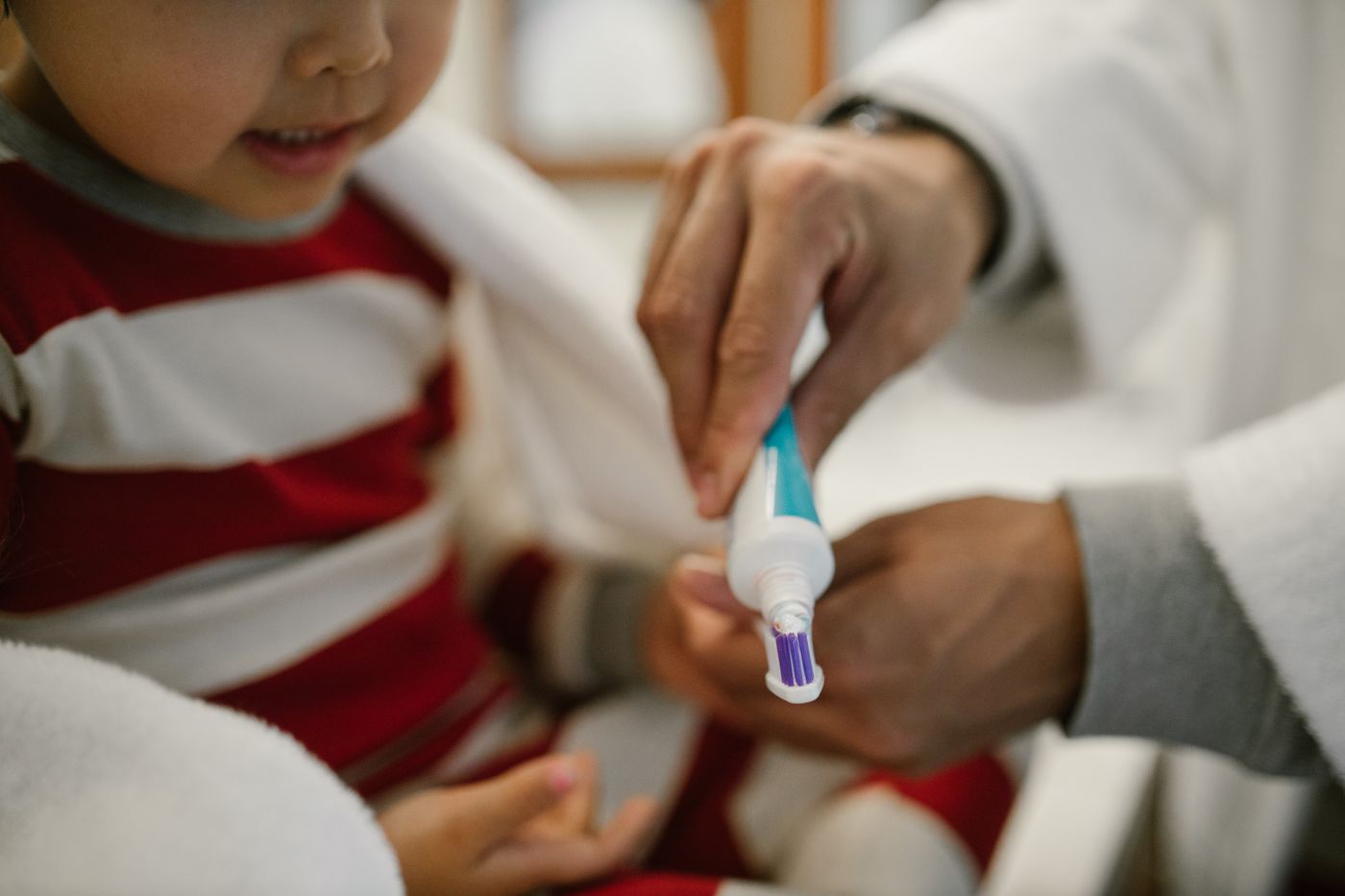
- Under age 3: a smear about the size of a grain of rice, starting when the first tooth appears
- Ages 3 to 6: a pea-sized amount, and no more than that
- Age 6 and up: a pea-sized amount, with brushing supervised until you are confident your child spits rather than swallows
- At every age: two minutes, twice a day, and spit without rinsing heavily afterward so the active ingredient stays in contact with the enamel
These are not conservative estimates. They are the quantities the safety data is built on, and the amount on the brush matters more than the brand on the tube.
Common mistakes parents make with fluoride-free toothpaste for kids
The most frequent one is treating fluoride-free toothpaste for kids as a single, permanent decision. Cavity risk moves. A child with a clean record at five can develop three cavities at nine after braces go on and snacking habits change. The choice deserves a fresh look whenever something about your child’s mouth or routine shifts.
The second is buying a fluoride-free tube without checking what replaced the fluoride. Plenty of products lead with the word natural and contain no remineralizing ingredient at all. If you have decided against fluoride, the hydroxyapatite content is the thing to verify on the ingredient panel, not the promise on the front of the box.
The third is quieter: layered removals. Filtered water, fluoride-free toothpaste, varnish declined at checkups, and a busy calendar that pushes the next appointment out to eighteen months. No single step is unreasonable. Together they leave a child with almost no cavity protection, and it usually goes unnoticed until an X-ray finds decay between the back molars.
The last one is dry mouth, which gets far less attention than it deserves. Children on certain medications, habitual mouth breathers, and kids who barely drink water during the school day all have less saliva working for them, which raises risk no matter what toothpaste is on the counter.
The same mechanism shows up in adults, including patients taking GLP-1 medications. The CDC counts community water fluoridation among the most cost-effective preventive measures available, largely because it works quietly in the background for exactly these patients.
Frequently asked questions
Is fluoride-free toothpaste for kids safe for toddlers?
Yes. Fluoride-free toothpaste for kids poses no safety concern for toddlers, and hydroxyapatite versions carry no fluorosis risk if swallowed, which is why some pediatric dentists suggest them before a child can reliably spit. The trade-off is weaker cavity protection, so it suits low-risk toddlers best.
Does hydroxyapatite toothpaste prevent cavities as well as fluoride?
In the trials completed so far, hydroxyapatite performed comparably to fluoride, including an 18-month study showing similar cavity rates. Those trials were mostly small and enrolled lower-risk participants, so the evidence is encouraging rather than settled. Fluoride still has far broader data across high-risk children.
How much toothpaste should my child use?
Use a rice-grain smear from the first tooth until about age three, then a pea-sized amount from three onward. Supervise brushing until your child spits reliably. The amount on the brush is the single biggest factor in keeping fluoride exposure well within safe limits.
Is fluoride toothpaste dangerous if my child swallows it?
Swallowing the small recommended amount is not dangerous. The concern is repeated excess over years while permanent teeth are still forming, which can cause dental fluorosis, usually faint white flecks on the enamel. It is a cosmetic issue rather than a health one, and correct dosing prevents it.
Can toothpaste reverse an early cavity?
Early demineralization, the chalky white spots that appear before a true cavity forms, can often remineralize with fluoride or hydroxyapatite, thorough brushing, and less frequent sugar exposure. Once decay breaks through the enamel surface, no toothpaste will repair it and a filling becomes necessary.
Does Anaheim tap water contain fluoride?
Some of it does. Anaheim does not fluoridate its own supply, but imported Metropolitan Water District water has been fluoridated since 2007 and makes up part of the city’s blend. Households drinking mostly filtered or bottled water receive little to none.
Fluoride-free toothpaste for kids is not a question with one right answer for every family. Fluoride remains the better-evidenced choice, particularly for children who already carry cavity risk, and hydroxyapatite has become a reasonable option for low-risk children and for toddlers still learning to spit. What matters more than the tube you pick is knowing which category your child falls into, using the right amount, and noticing when that answer changes.