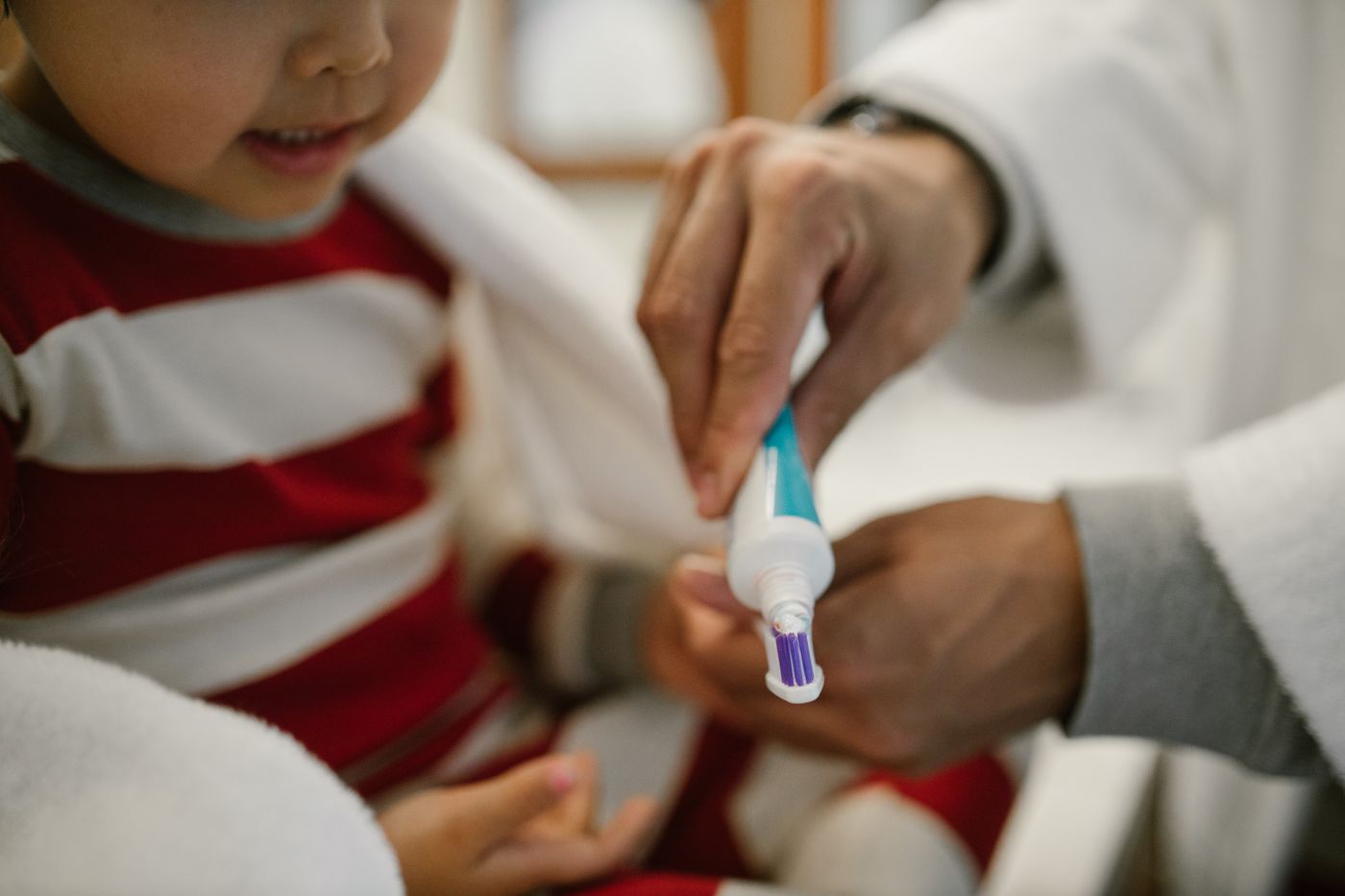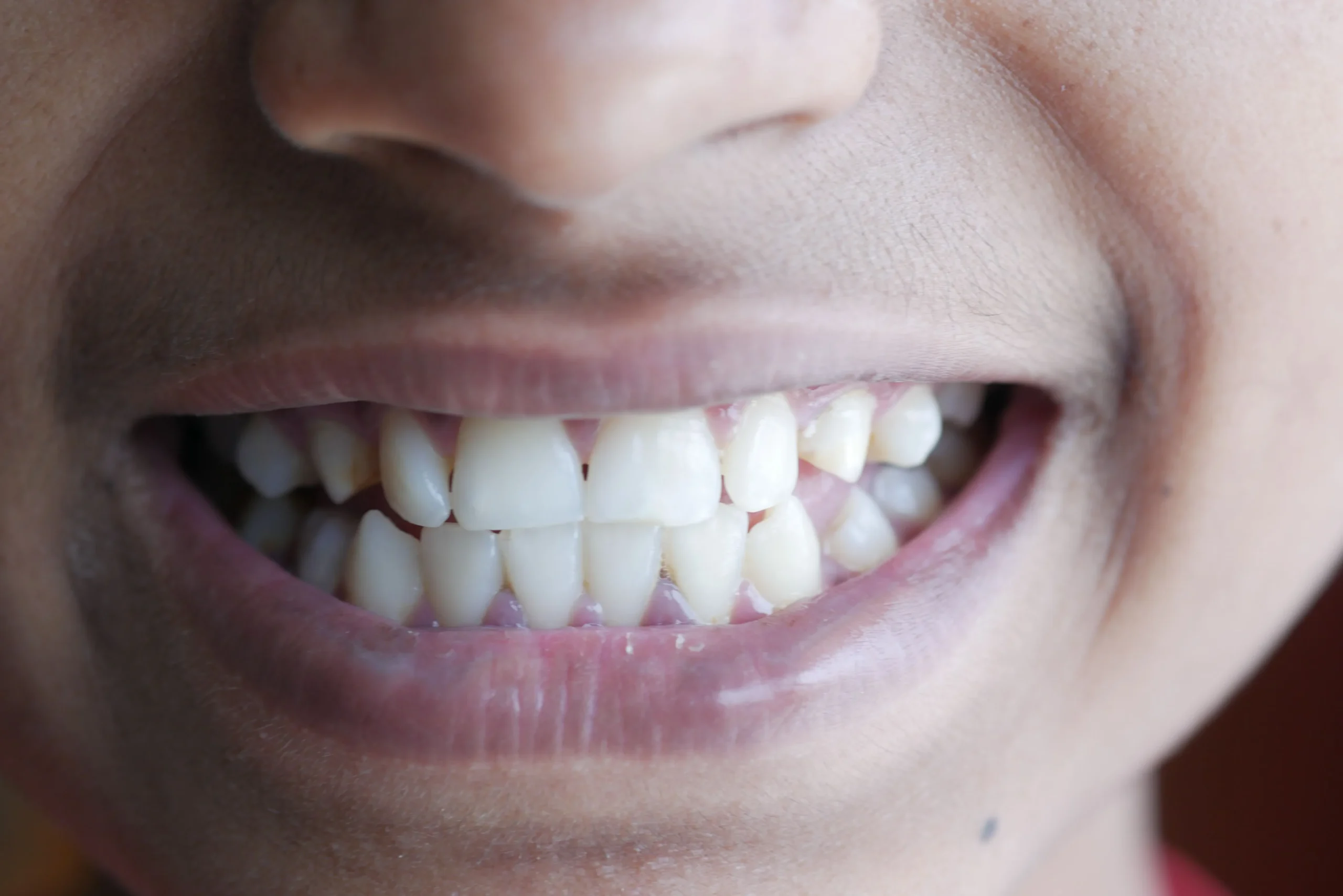
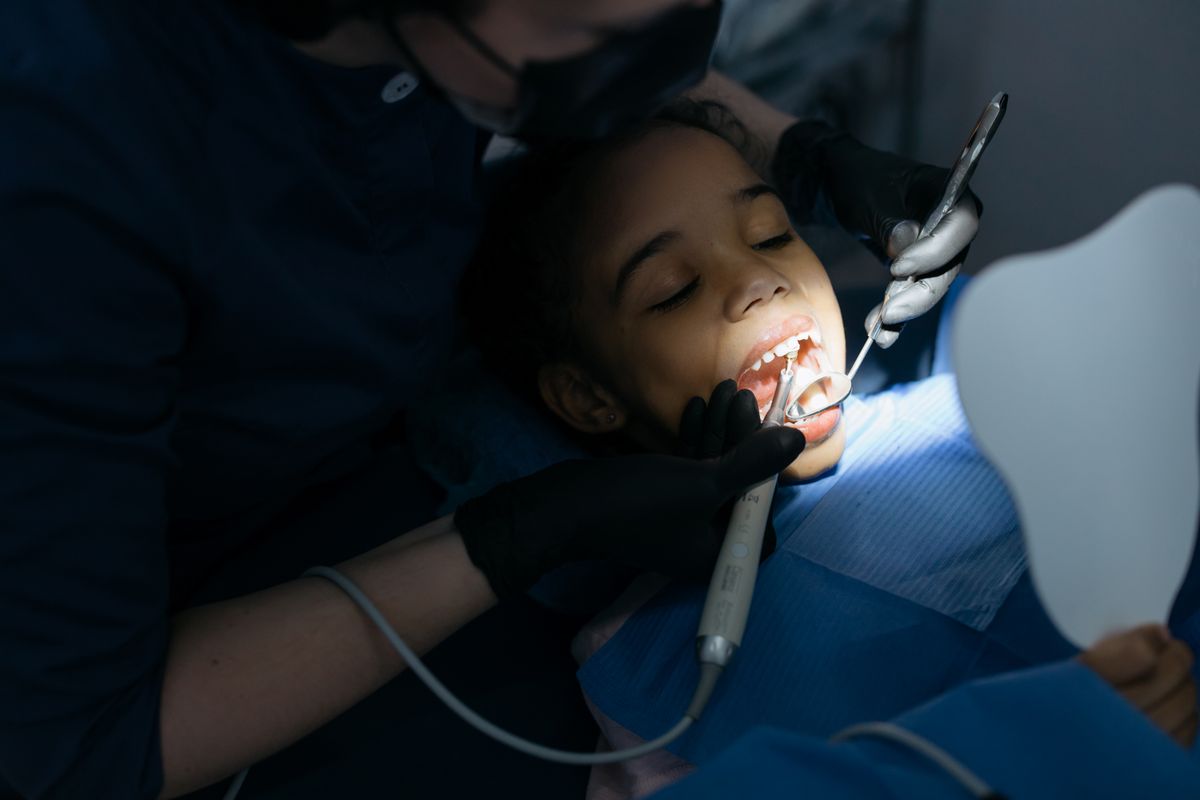
Between school supplies, new shoes, and updated immunization records, a dental checkup is easy to push to the bottom of the back-to-school list, even for families who already have a regular family dental practice. Yet tooth pain remains one of the most common reasons children miss class once the school year starts. The best time to schedule a back-to-school dental checkup is four to six weeks before the first day of school. That window leaves enough time to treat a cavity, adjust a bite issue, or apply protective sealants without rushing an appointment into the first busy week of the semester.
Why Timing Matters More Than Most Parents Realize
Dental pain doesn’t wait for a convenient moment. According to data cited by the American Dental Association, children in the United States lose more than 51 million school hours every year because of dental-related problems, from active toothaches to emergency extractions that could have been caught earlier. A checkup scheduled well before the first bell does two things a last-minute one can’t. It gives the dentist time to actually treat anything found, rather than just diagnose it and send the family home to book a second appointment. And it means any recovery, from a filling, an extraction, or a fitted sealant, happens over summer, not during the first week of new teachers and new routines. August is consistently the busiest month for pediatric dental practices, precisely because so many families wait until the last two weeks before school starts. Booking earlier in the summer means shorter waits and more flexible appointment times.
What Actually Happens During the Visit
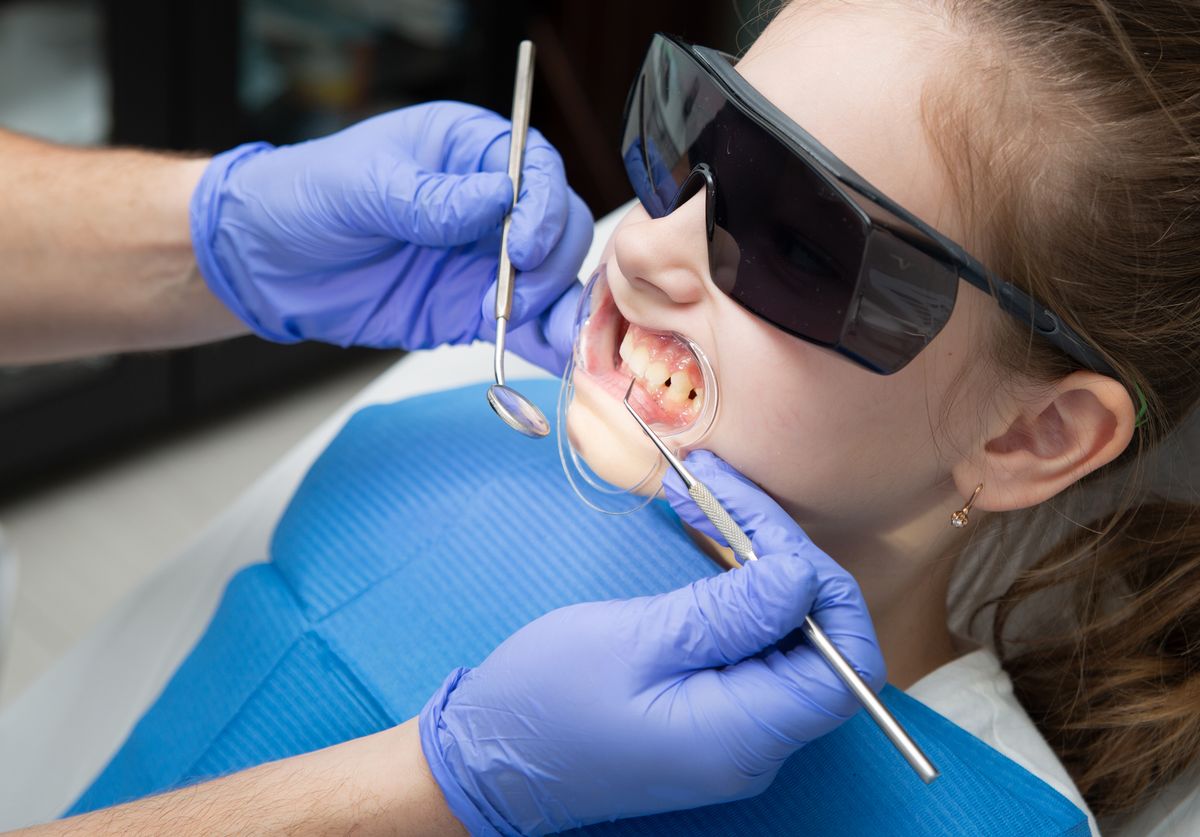 A back-to-school dental checkup is typically a routine cleaning and exam, usually 45 minutes to an hour depending on the child’s age and dental history. Here’s what a dentist is generally checking for:
| What’s checked | Why it matters before school starts |
|---|---|
| Cavities and early decay | Untreated decay is a leading cause of dental pain and missed school days |
| Gum health | Inflamed or bleeding gums can signal hygiene habits that slipped over summer |
| Bite and jaw alignment | Early signs of orthodontic issues are easier to manage the sooner they’re found |
| Loose, damaged, or crowded teeth | Prevents avoidable emergency visits mid-semester |
| Need for sealants or fluoride | Both are far more effective as prevention than as damage control |
Dental sealants, a thin protective coating applied to the chewing surfaces of molars, are one of the most cost-effective preventive steps available for school-age children, since molars are where the majority of childhood cavities develop. A back-to-school visit is a natural point to apply them before a full year of packed lunches and cafeteria food. 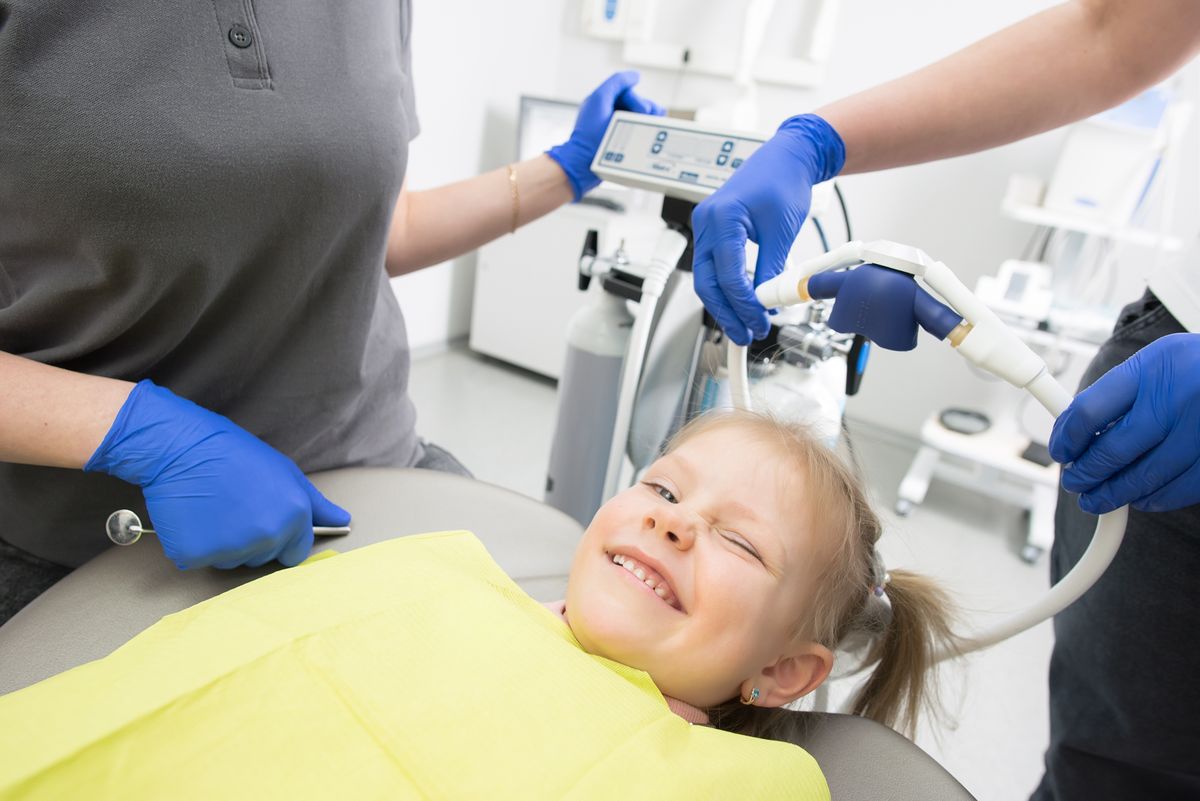
Back-to-School Dental Checklist
- Book the back-to-school dental checkup 4-6 weeks before the first day of school, not the week before.
- Bring any dental insurance information and note whether annual benefits reset on a calendar year. Many plans’ unused benefits expire December 31, so a summer visit doesn’t forfeit anything, but a fall or winter treatment might need to be planned around that reset.
- Mention any changes since the last visit: a loose tooth, thumb-sucking habits, mouth breathing, or new snoring, which can all be relevant to a dentist.
- Ask directly whether sealants or a fluoride treatment are appropriate this year. They aren’t offered automatically at every visit.
- Confirm whether your child’s school requires a dental exam form, which some districts do for kindergarten or new enrollments.
Common Mistakes Parents Make With Back-to-School Visits
The most common mistake isn’t skipping the visit altogether, it’s waiting until the week before school starts, when the only appointment available is a rushed cleaning with no time to address anything the dentist actually finds. If a cavity turns up at that point, treatment often gets pushed into the school year, sometimes meaning a missed half-day of class. A second common mistake is treating the checkup as optional if a child says nothing hurts. Early cavities and gum issues are frequently painless until they aren’t, which is exactly why a preventive exam matters more than a reactive one. Waiting for a complaint of pain usually means the problem is already more advanced. A third is skipping the visit for teenagers because they no longer need “kid” checkups. Teenagers are actually a common source of untreated decay, since independence often means less parental oversight of brushing habits, and a busier schedule makes appointments easier to deprioritize.
Signs That Warrant an Appointment Sooner Than Planned
Most families are working with routine, non-urgent scheduling. But a few signs mean a visit shouldn’t wait for the ideal four-to-six-week window. Watch for: visible dark spots or holes in a tooth, persistent bad breath despite normal brushing, complaints of sensitivity to hot or cold, a tooth that’s become loose outside the normal age for losing baby teeth, or visible swelling along the gumline. Any of these are worth a call to a dentist directly rather than waiting for a scheduled slot. A back-to-school dental checkup isn’t about checking a box before the semester starts. Booked early enough, it’s simply a chance to catch small problems while they’re still simple to fix, so the school year starts without an unplanned trip to the dentist’s chair in the middle of it. A well-timed back-to-school dental checkup is one of the simplest ways to head into a new school year without a dental surprise mid-semester.
Frequently Asked Questions
When should I schedule my child’s back-to-school dental checkup?
Four to six weeks before the first day of school is ideal. This leaves enough time to treat anything the dentist finds, such as a cavity or a needed sealant, without rushing it into the first week of class.
Do schools require a dental exam before enrollment?
Some school districts require a dental exam form for kindergarten or new student enrollment, though this varies by state and district. Check directly with your child’s school to confirm what’s required.
How often should kids see the dentist?
Most dentists recommend a checkup every six months, though some children with a higher cavity risk may be scheduled every three to four months instead.
What if my child says nothing hurts, is the checkup still necessary?
Yes. Early cavities and gum problems are often painless in their early stages, which is exactly why a preventive exam catches issues before a child would notice anything on their own.
Are dental sealants necessary for every child?
Not automatically, but they’re worth asking about at a back-to-school visit. Sealants protect the chewing surfaces of molars, which is where most childhood cavities start, making them one of the more effective preventive steps available.
Will my dental insurance cover a back-to-school visit?
Most dental plans cover routine exams and cleanings in full as preventive care, though coverage for sealants, fillings, or X-rays varies by plan. It’s worth confirming coverage details before the appointment if cost is a concern, and the MouthHealthy resource from the ADA has more detail on typical coverage categories.