Utah stopped adding fluoride to its public water supply in 2026, and Florida, along with several other states, moved to do the same. If those headlines made you wonder whether your own tap water is affected, the answer for Anaheim is more specific than most national coverage lets on.
So is fluoride being removed from water in Anaheim right now? No state or federal action has done that here as of this writing. About a quarter of the city’s supply comes from an imported source that is fluoridated to the dental-health standard, while the rest comes from local groundwater that carries fluoride naturally, just below that standard. The national debate is real and worth following, but it has not reached a local ban here, and there is a clear, unpanicked way to think about what to do either way.
What’s Actually Changing With Fluoride Nationally in 2026
Utah became the first state to ban fluoride in public drinking water, under a law signed by Governor Spencer Cox that took effect in 2026. Florida barred municipalities from adding fluoride to their water supplies around the same time, and several other state legislatures introduced similar bills. Some passed. Others were rejected by county water boards after public hearings, including a California case discussed below.
These state-level moves sit inside a broader federal review. The Department of Health and Human Services pushed the Environmental Protection Agency toward a faster review of fluoride’s effects on childhood neurodevelopment, opened in January 2026. That review is still underway, and it has not changed fluoridation policy nationwide. Individual states and local water districts, not the federal government, still make the actual decision for most of the country.
A 2025 modeling study, covered by outlets including NBC News, US News & World Report, and HealthDay, estimated what would happen if every US water system stopped fluoridating: roughly 25 million more decayed teeth in children nationwide, about one in three kids affected, and close to $19 billion in added dental costs over a decade, with a large share landing on Medicaid programs. That is a national projection, not a certainty for any single city. It is also the clearest evidence available that removing fluoride carries a measurable cost rather than a theoretical one, which is why groups like the California Dental Association have been pushing state and local water boards to keep fluoridation in place rather than treating the question as already settled. The CDA helped preserve fluoridation at San Diego County’s Olivenhain Municipal Water District earlier in 2026, after a staff recommendation to drop it narrowly failed and the board voted instead to keep investing in the program.
Is Anaheim and Orange County Water Fluoridated?
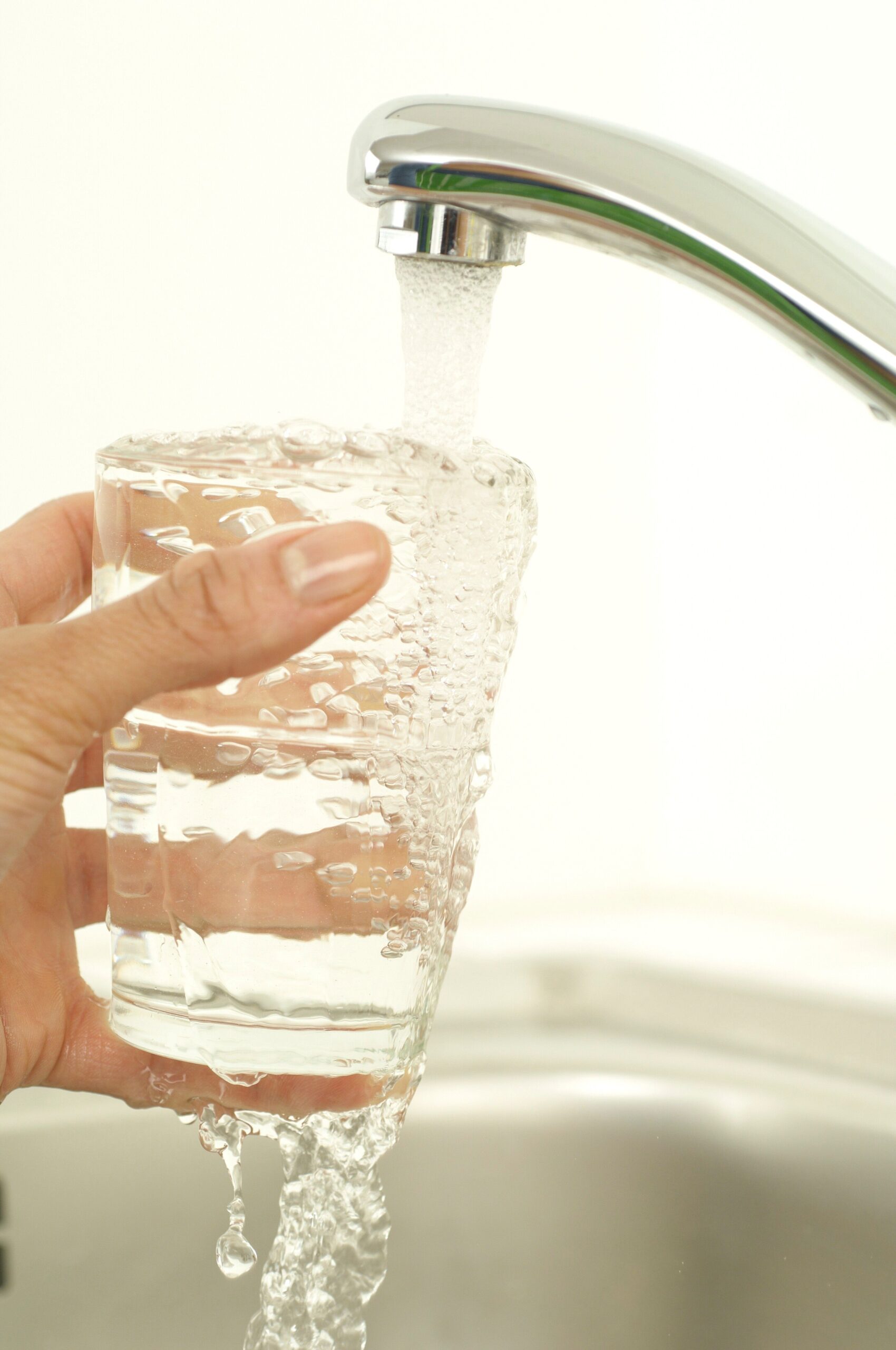
Anaheim does not add fluoride to its own water. The city draws roughly three-quarters of its supply from local groundwater, and that groundwater naturally contains between 0.3 and 0.4 parts per million of fluoride, below the 0.7 ppm level the US Public Health Service considers optimal for preventing cavities.
The remaining quarter or so comes from the Metropolitan Water District of Southern California (MWD), which supplies imported water to Anaheim and five other Southern California counties. MWD has fluoridated its treatment plants since November 2007, adjusting the water to a 0.7 to 0.8 ppm range, at the request of county health officers across its service area and with support from the CDC, the California Department of Public Health, and the CDA. Because Anaheim blends water from both sources, and the blend shifts with seasonal demand and which reservoirs are active, the fluoride level reaching any single tap in the city varies rather than sitting at one fixed number.
| Water Source | Share of Anaheim’s Supply | Fluoride Level |
|---|---|---|
| Local groundwater | About 75% | 0.3–0.4 ppm (naturally occurring, below optimal) |
| Imported MWD water | About 25% | 0.7–0.8 ppm (adjusted to the optimal range) |
Optimal level for cavity prevention, per US Public Health Service guidance: 0.7 ppm. Exact figures for a specific address can be found in the water provider’s annual Consumer Confidence Report, or on the City of Anaheim’s own fluoridation page.
That level of detail is missing from most national coverage of the fluoride debate, and it matters practically. A family going only on headlines about state bans has no way to know what is actually coming out of their own tap, and in Anaheim’s case, the honest answer is “partially, and it depends on the week,” not a simple yes or no.
What Happens to Teeth When Fluoride Is Removed From Water
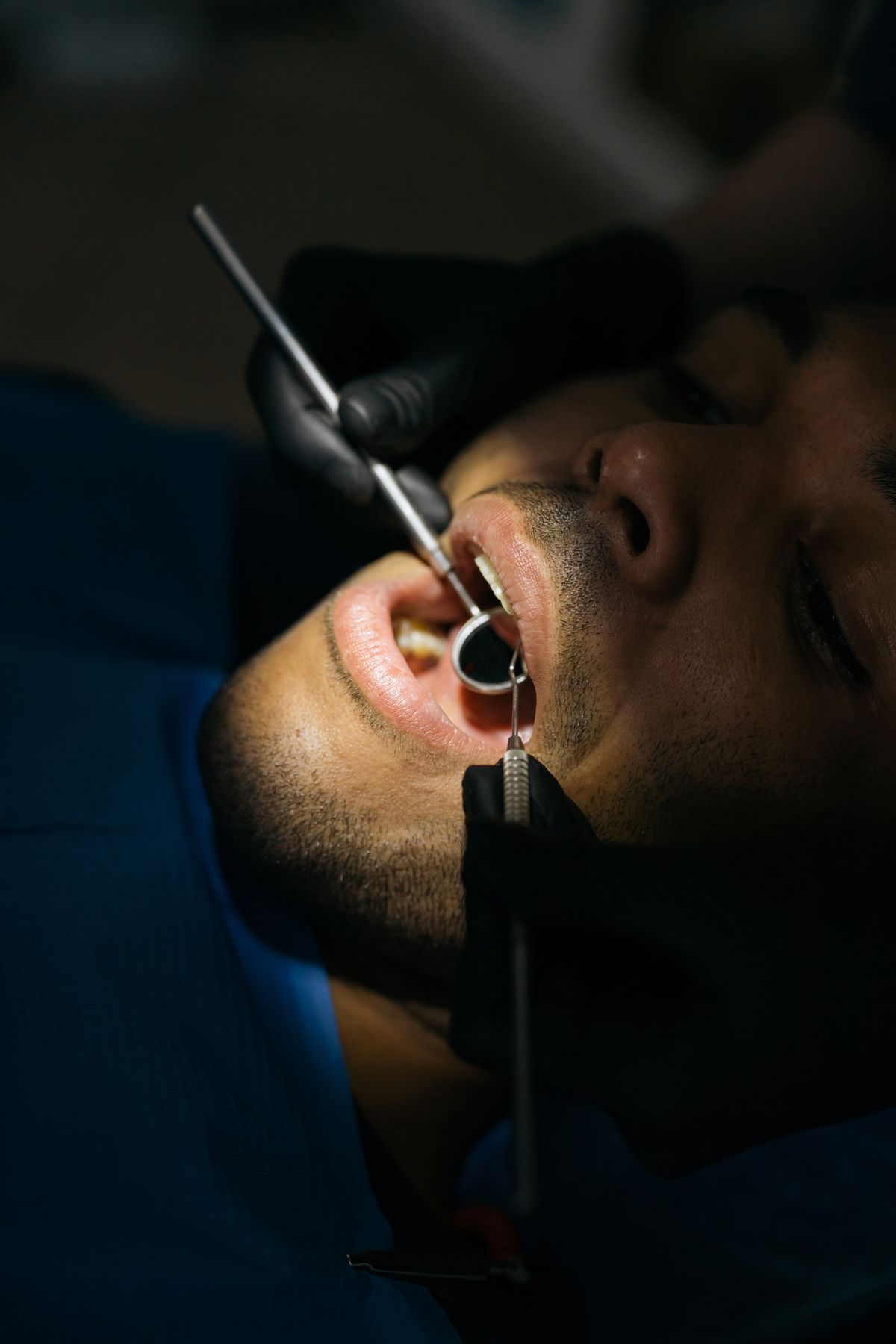
Fluoride works by strengthening tooth enamel and helping it resist the acid that bacteria produce after sugar and starch. Community water fluoridation has been one of the most studied public health measures in the country since the 1940s, and the consensus among the CDC, the American Dental Association, and the CDA is that it reduces cavities at the low concentrations used in US water systems, with a strong safety record at that dose.
The counter-argument driving the current policy fights is not that fluoride does nothing. It is a dispute over dose and about whether the margin between the optimal level and levels linked to concerns in some studies is as wide as regulators have assumed, which is exactly the question the EPA’s ongoing review is meant to answer. Reasonable people can weigh that evidence differently. What is not in serious dispute is the practical result documented above: communities that stop fluoridating see cavity rates climb, particularly in children and in families who cannot easily afford regular dental care.
How to Protect Your Family’s Teeth Either Way
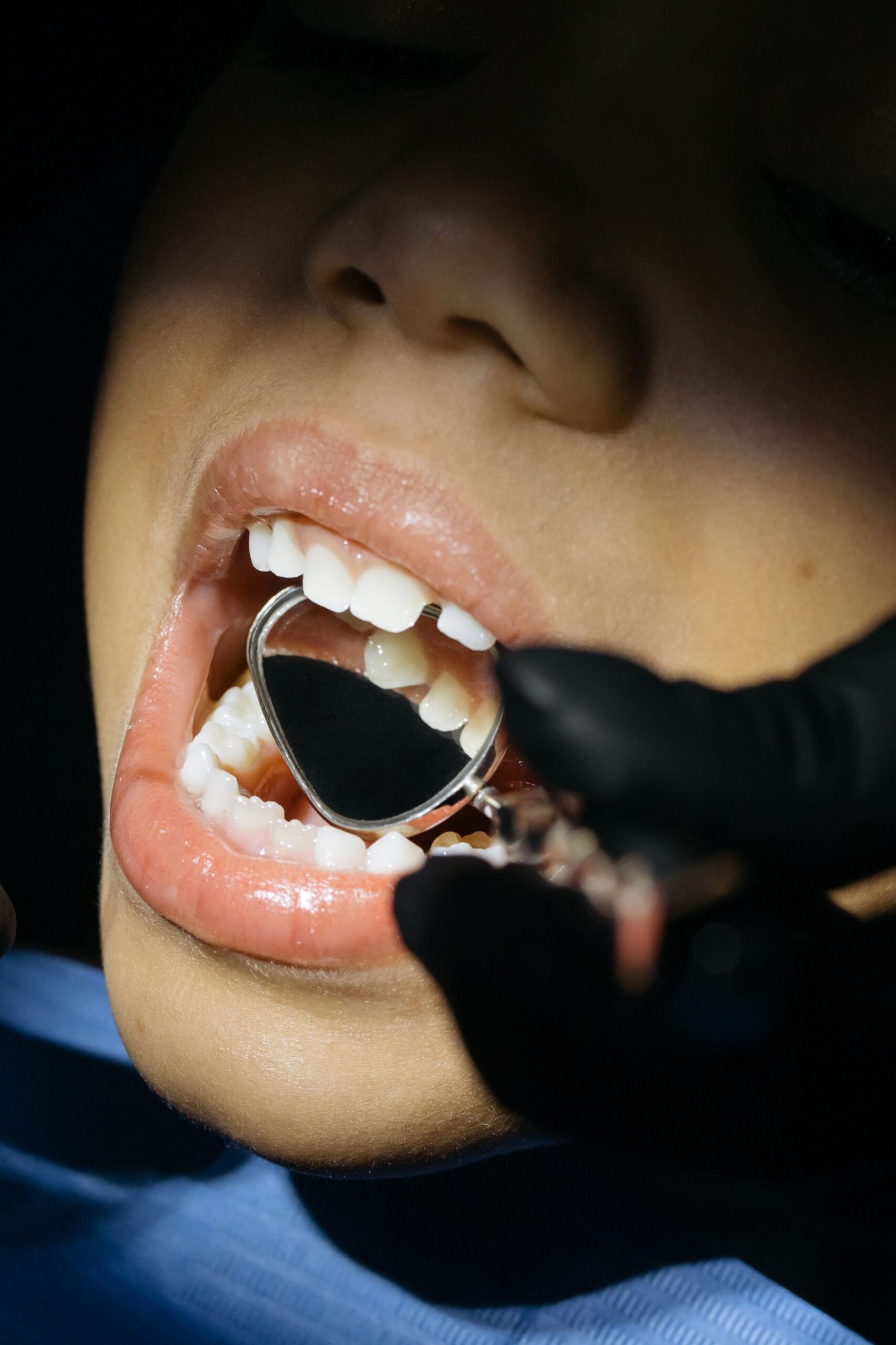
The good news is that water fluoridation is one tool among several, not the only one, so a change to your water supply does not leave your family without options.
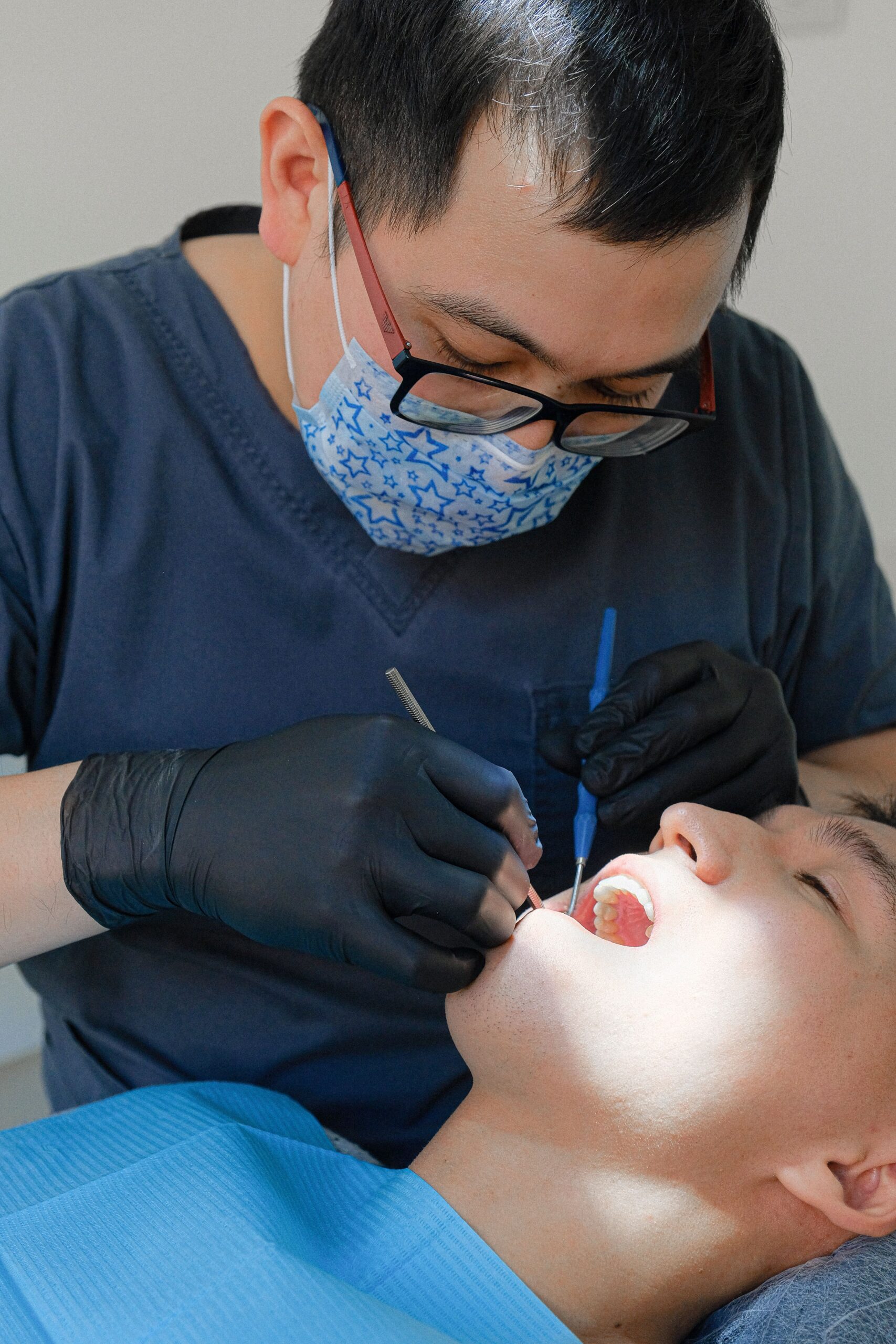
- Fluoride varnish at regular visits. This is the most effective in-office option for kids, applied directly to the teeth in a concentration far higher than any water supply, and it does not depend on what comes out of your tap.
- Fluoride toothpaste, used correctly. A pea-sized amount for children over three, a rice-grain amount for younger kids who cannot reliably spit, twice a day, does most of the daily work regardless of local water policy. If you have been weighing a fluoride-free option, see our breakdown of what hydroxyapatite toothpaste actually does before switching.
- Prescription supplements, only when they make sense. Fluoride drops or tablets are appropriate for some children with low water fluoride exposure, but they need to be prescribed based on your family’s actual water source, not started on your own because of a news headline. Too much fluoride from combined sources can cause mild fluorosis, so this is a conversation, not a self-diagnosis.
- A water report check, if you want the exact number. Anaheim Public Utilities and the Municipal Water District of Orange County both publish annual water quality reports with fluoride content by source.
Common Misunderstandings Worth Clearing Up
One assumption we hear often is that if water fluoridation ends, a child gets no fluoride at all. That is not accurate. Toothpaste, varnish, and in some cases supplements still deliver fluoride directly, and for families already brushing twice daily with a fluoride toothpaste, a change in the water supply is a smaller shift than the headlines suggest.
Another assumption is that the fluoride debate is settled science on one side and denial on the other. It is more accurate to say the safety and benefit of fluoride at the standard 0.7 ppm level has decades of consistent data behind it, while the specific neurodevelopmental questions under federal review generally come from research on much higher exposure levels than anything in a US water system. Both of those things can be true at once, and a parent does not need to resolve the political argument to make a sound decision for their own kids. Whatever your water district decides, tooth decay remains the most common chronic disease in American children, and the tools that prevent it, varnish, correct toothpaste use, and regular checkups, work regardless of how that policy fight ends.
Frequently Asked Questions
Is fluoride being removed from water across the US in 2026?
Not nationally. Utah has banned it statewide, and Florida has barred municipalities from adding it, but most states and water districts, including those serving Anaheim, still fluoridate. Decisions are being made state by state and district by district, not through a single federal rule.
Is Anaheim tap water fluoridated?
Partially. About 25% of Anaheim’s water comes from the Metropolitan Water District, fluoridated to 0.7–0.8 ppm. The remaining 75% is local groundwater with naturally occurring fluoride of about 0.3–0.4 ppm, below the optimal level. The blend varies by season and demand.
What happens to kids’ teeth if fluoride is removed from drinking water?
Research modeling a nationwide fluoride removal projects roughly 25 million additional decayed teeth in children and about one in three kids affected, with costs concentrated in families who rely on Medicaid for dental coverage. Local effects vary depending on a community’s other fluoride sources.
Is fluoride in drinking water actually safe at current US levels?
At the 0.7 ppm level used in US water systems, decades of data from the CDC and major dental organizations support both safety and cavity-prevention benefit. The federal review underway examines effects seen at higher exposure levels in some international studies, not a reversal of findings at the US optimal dose.
If my water isn’t fully fluoridated, what should I actually do?
Use a fluoride toothpaste correctly twice a day, keep up with regular dental visits so varnish can be applied, and ask your dentist whether a prescription supplement makes sense based on your household’s specific water source. Skip over-the-counter fluoride products not recommended by a dentist.
Whichever way this policy debate eventually settles, the day-to-day answer for a family in Anaheim stays the same: know roughly what is in your water, keep brushing with a fluoride toothpaste, and let your regular dental visit, not a headline, be where decisions about varnish or supplements actually get made.