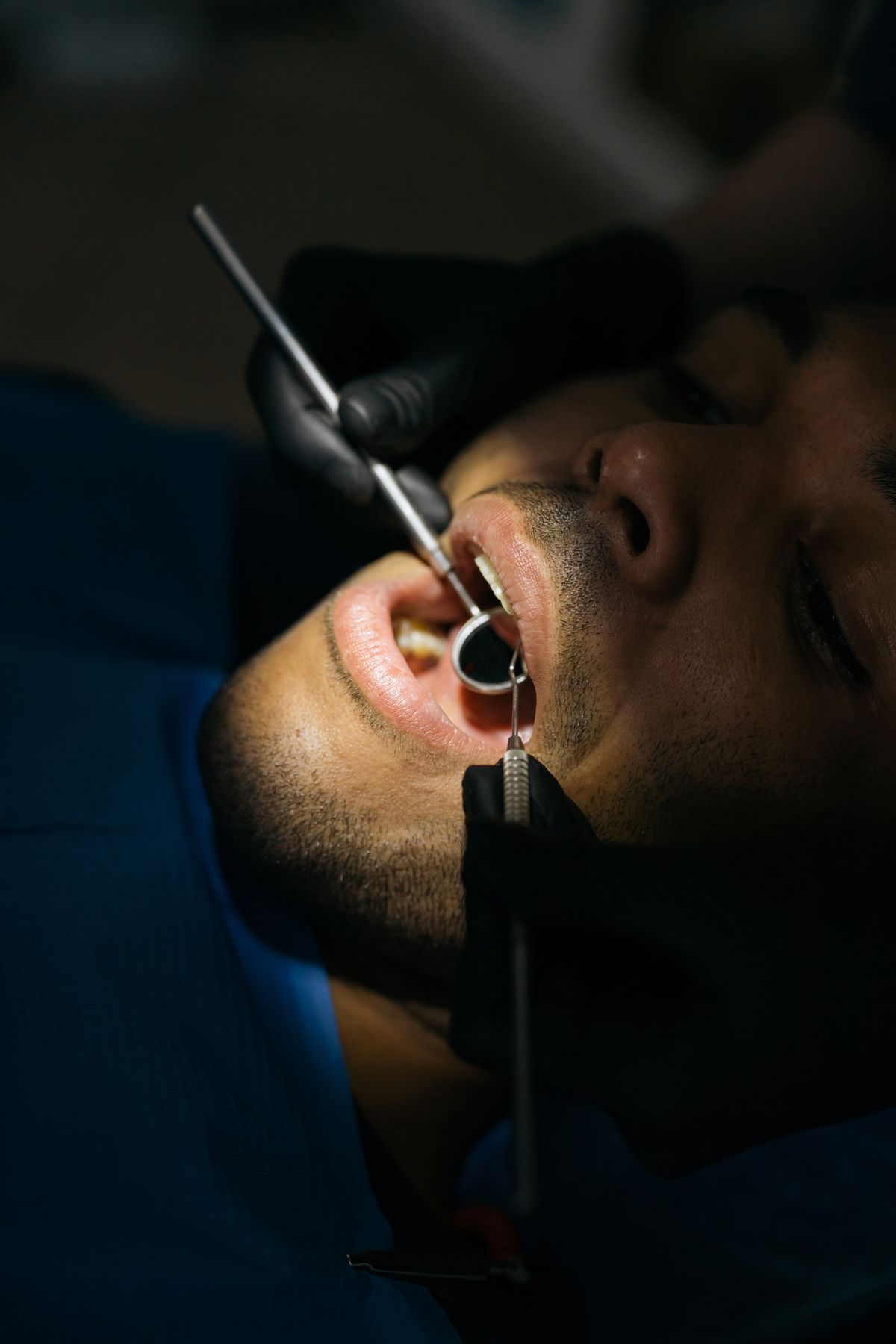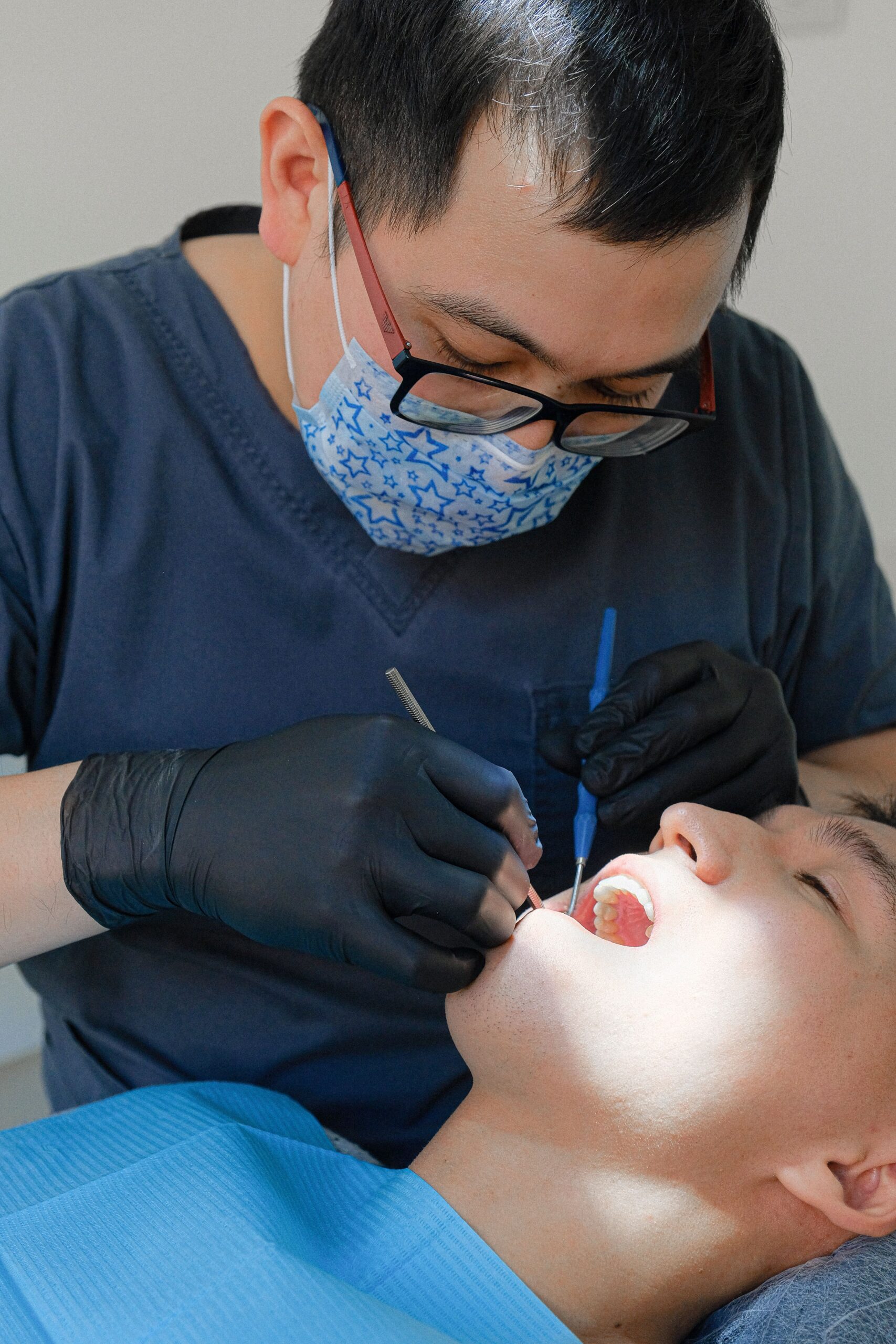
Searches for “Turkey teeth” and related terms have climbed sharply in the US over the past two years, driven by social media before-and-after videos and price tags that look impossible next to a US treatment estimate. A full set of porcelain veneers that runs close to $15,000 in the United States can be quoted at $2,000 to $3,000 in Turkey, flights and hotel included. For a lot of people weighing that math, the trip looks like an easy decision.
The real question isn’t whether Turkey has skilled dentists. It does, and plenty of patients return home happy. The question that actually predicts your outcome is one almost nobody researching this trip asks: are you being quoted for veneers, or crowns? That single detail determines how much of your natural tooth gets permanently removed, and it matters more than which country the drill is in.
What “Turkey Teeth” Actually Means
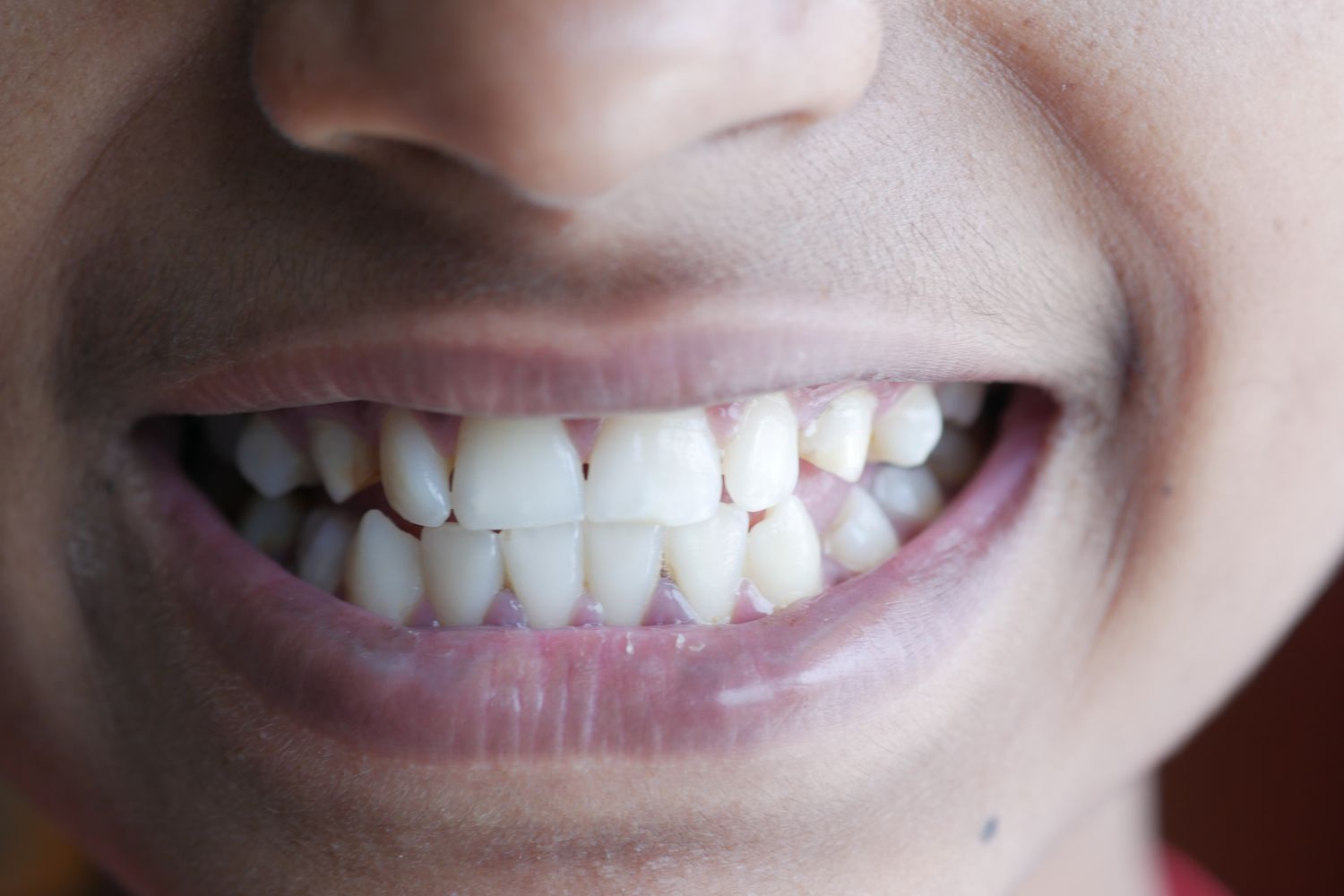
“Turkey teeth” is the informal name for the cosmetic smile makeovers, usually 8 to 20 porcelain or zirconia restorations across the top and sometimes bottom arch, that have become a fixture of dental tourism marketing out of Istanbul and Antalya. Package pricing typically bundles the dental work with flights, a hotel stay, and airport transfers, which is part of what makes the offer feel more like a vacation than a medical procedure.
The name has picked up a second meaning online, too: a slightly unnatural, uniformly bright and identically shaped set of teeth, used half-admiringly and half as a punchline for results that look obviously “done.” Both meanings point to the same underlying procedure, and both are why so many people now search for Turkey teeth before booking any cosmetic work at all.
Why the Price Looks So Different
Labor costs, real estate, and overhead are genuinely lower in Turkey, and that accounts for some of the gap in Turkey teeth pricing. But a meaningful part of the difference comes down to which restoration is actually being placed, not just where.
| Restoration | Typical US cost per tooth | Typical Turkey cost per tooth | Tooth structure removed |
|---|---|---|---|
| Porcelain veneer | $1,200–$2,500 | $250–$600 | 3–30% of the crown |
| Full-coverage crown (zirconia or porcelain) | $800–$2,500 | $250–$900 | 63–72% of the crown |
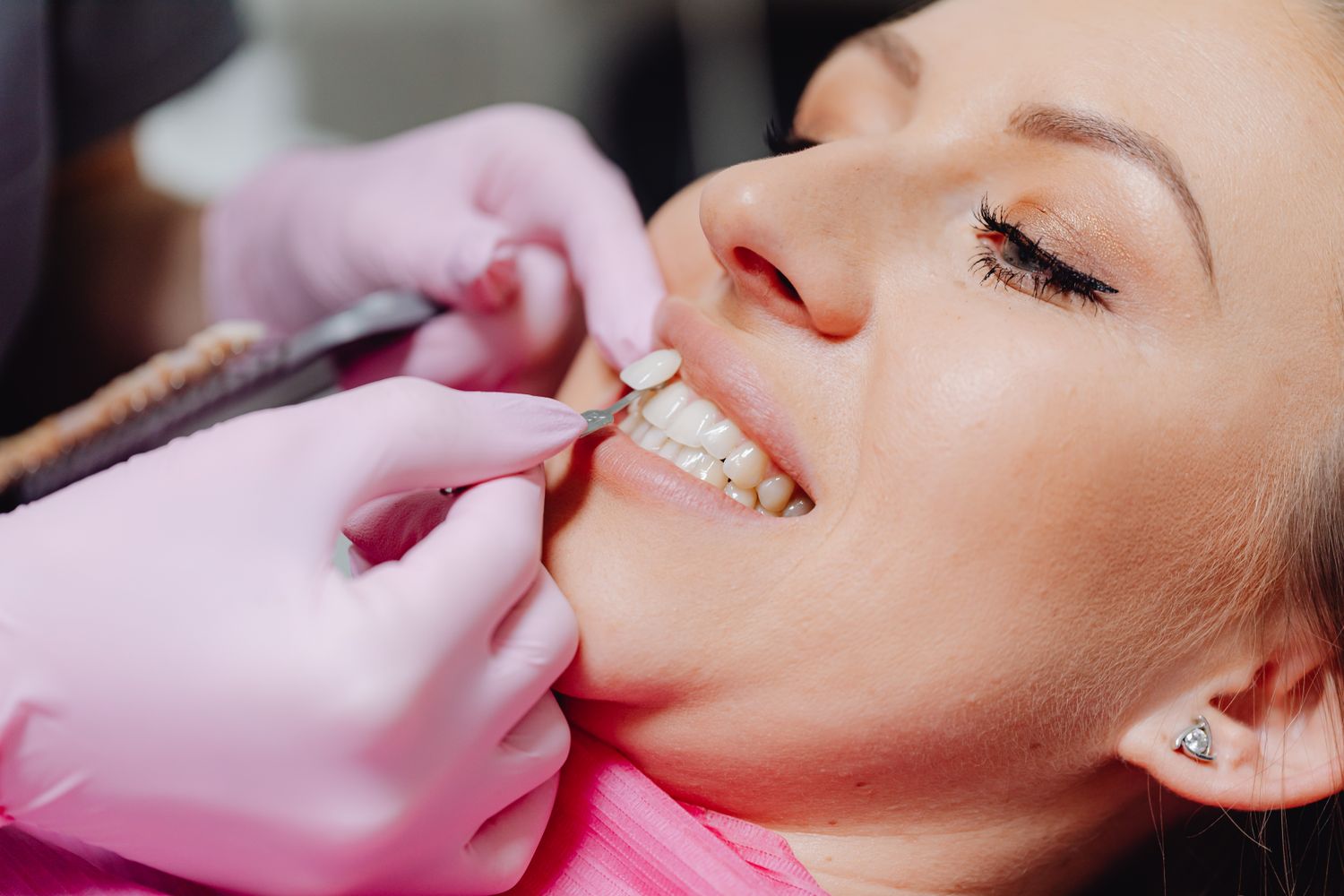
A veneer is a thin shell bonded to the front surface of a tooth that’s already reasonably healthy and well-aligned. A crown covers the entire visible tooth and requires grinding it down to a small core first. Clinics advertising “veneers” sometimes deliver crowns instead, because crowns cover more cosmetic flaws, hide more color and shape variation between teeth, and are more forgiving of a rushed preparation. Patients often can’t tell the difference from the outside. They can tell the difference from the amount of tooth structure that no longer exists.
What Happens When the Work Doesn’t Hold Up
The complications reported after Turkey teeth procedures aren’t exotic. They’re the same problems that follow any rushed or over-aggressive dental prep, just concentrated because so many teeth are treated in one or two visits: bonding failure and restorations coming loose, thermal sensitivity that doesn’t resolve, visible color mismatch between the new restorations and remaining natural teeth, and, in more serious cases, nerve damage from a crown prep cut too close to the pulp, leading to root canal treatment months later.
A widely reported detail from UK dental tourism coverage: army recruiters have documented recruits rejected over gum disease and deteriorating teeth traced back to overseas cosmetic dental work, according to reporting cited by Dentistry IQ. That’s an extreme outcome, but it illustrates the pattern dentists see more routinely at a smaller scale: problems that don’t show up in a mirror selfie two weeks after the trip, but do show up eighteen months later.
It’s also worth noting how fast interest in this whole category is moving. Search volume around dental trends on social platforms has grown dramatically; reporting from Dentistry.co.uk notes that searches specifically for “Turkey teeth implants” rose 250% in just three months. A trend moving that fast usually outruns the quality controls that would normally catch problem clinics before they build a following.
The Repair Problem: Why a Local Dentist Can’t Just “Fix It”
This is the part that gets missed in most cost comparisons, and it’s the actual financial risk of the trip. Once a tooth has been ground down for a crown, that decision is permanent, regardless of where it happened or who did it. A dentist back home isn’t choosing between “leave it” and “redo it for free.” They’re choosing between living with a compromised result and starting a new restoration on a tooth that already has less structure to work with, which is a more difficult and more expensive procedure than the original treatment would have been on an untouched tooth.
That’s why repair estimates after a botched procedure abroad routinely run higher than the entire original treatment cost, sometimes several times higher. It isn’t because local dentists charge a premium to fix outside work. It’s because there’s less tooth left to build on, and every additional procedure on an already-reduced tooth increases the risk of eventually needing an implant instead of a repair.
The geography isn’t the risk. The irreversible decision to prep for a crown when a veneer, or no restoration at all, would have served the same cosmetic goal is the risk, and that decision gets made in the consultation, not the country. It’s the same underlying lesson behind a lot of dental trends that move faster than the evidence supporting them, including the GLP-1 and dry-mouth pattern we wrote about earlier this year: the trend itself isn’t the problem, acting on it without understanding the mechanism is.
A Framework for Evaluating the Decision
Skip the reviews and the before-and-after photos for a moment and ask three questions instead, in this order:
- Am I being quoted veneers or crowns, specifically? Get this in writing, tooth by tooth, before agreeing to anything. If a clinic won’t commit to which restoration type before you arrive, that’s the answer.
- Do my teeth actually need a crown, or would a more conservative option achieve the same look? Many patients chasing a “Hollywood smile” have teeth healthy enough for veneers or even bonding, and only end up with crowns because it’s the default the clinic sells.
- What is the realistic cost if something needs correction in year one or two, and where would I get it done? Price that in before comparing totals. A $3,000 trip that needs $6,000 in local correction work within two years wasn’t actually the cheaper option.
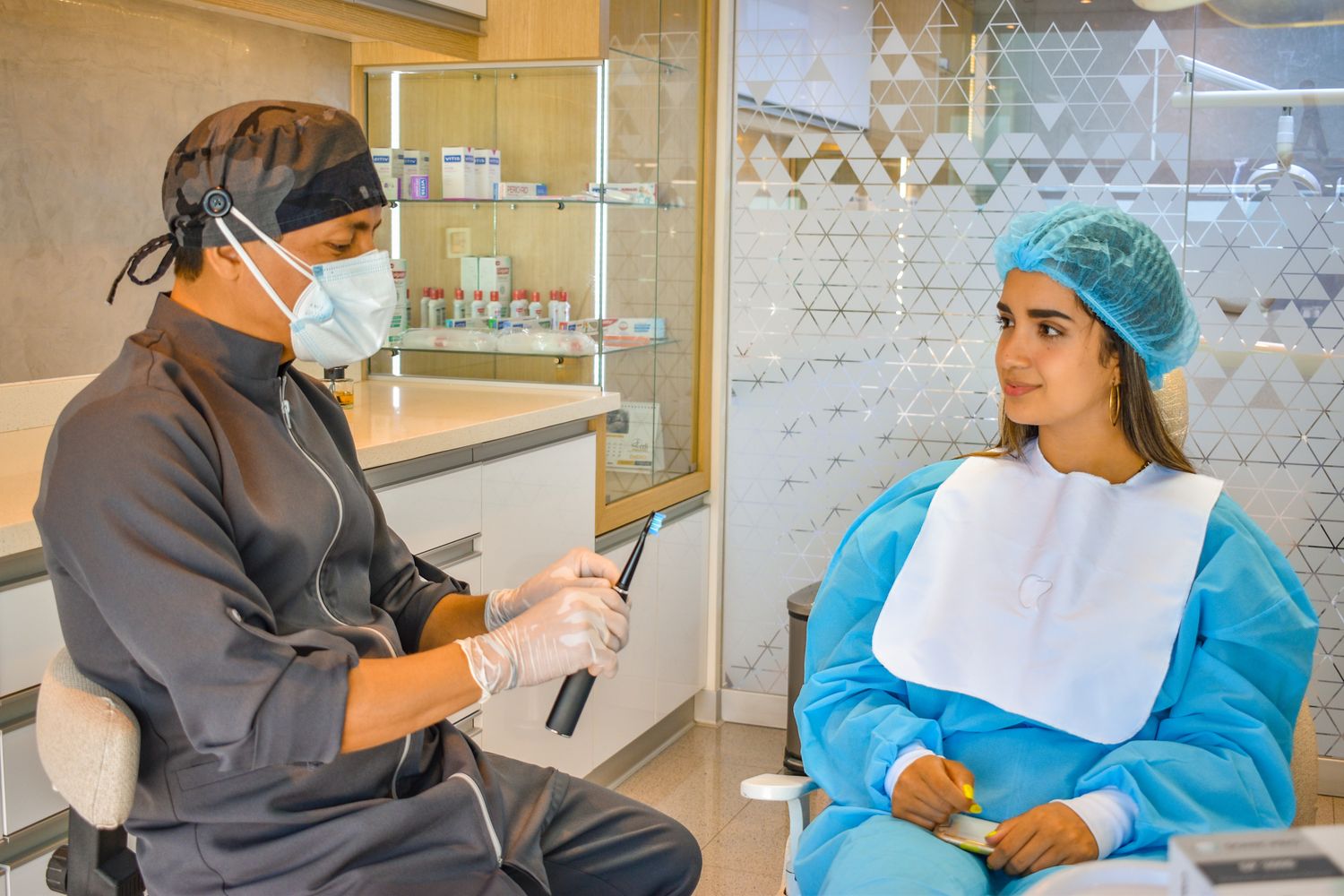
None of this means every patient who travels for dental work regrets it. It means the decision worth scrutinizing isn’t “US versus Turkey.” It’s “veneer versus crown, and is that the right call for these specific teeth.” The same discipline applies to any piece of dental research that gets simplified for social media before it reaches you, the way emerging research on gum disease and stroke risk has been, where the headline is easy to repeat and the nuance underneath it is where the real decision-making happens.
Common Misconceptions About Turkey Teeth
“A dentist abroad and a dentist here use the same standards.” Licensing, training quality, and equipment vary by clinic, not by country, in both directions. The mistake is assuming a glossy website and airport pickup are evidence of clinical quality; they’re evidence of a marketing budget.
“If something goes wrong, I can just get it fixed at home.” As covered above, this is only partly true, and only for the restorations, not the tooth structure that was removed to place them. A local dentist can restore a failed crown. They cannot restore the tooth to its pre-trip condition.
“Turkey teeth means veneers.” Increasingly, it doesn’t. The term has become a catch-all for full-mouth cosmetic makeovers, and crowns are common inside that category precisely because they hide more.
Frequently Asked Questions
Is it actually cheaper to get Turkey teeth after factoring in travel?
Usually, yes, for the initial procedure. A full set can still run a third to a half less than US pricing even with flights and lodging included. The math changes if follow-up correction is needed, since that cost is paid separately and often locally.
How can I tell if a clinic is quoting veneers or crowns before I travel?
Ask directly for the restoration type per tooth in writing, and ask what percentage of the natural tooth will be removed. A clinic that can’t answer specifically, or that uses “veneers” and “crowns” interchangeably in its materials, is a signal to look elsewhere.
Can a dentist in the US treat complications from work done in Turkey?
Yes, in most cases. What they can offer depends on how much natural tooth structure remains and how the original preparation was done. Bring any records, x-rays, or treatment plans from the original clinic to the first consultation.
Are all dental tourism clinics in Turkey lower quality?
No. Turkey has well-regarded dental training and modern facilities, and clinic quality varies widely, the same way it does in any country. The risk documented in complication reports tends to trace back to specific high-volume clinics optimized for one- or two-visit turnaround, not to Turkish dentistry broadly.
What should I ask for if I want a second opinion before committing to treatment abroad?
A written, tooth-by-tooth treatment plan specifying restoration type, and photos or a scan of your current teeth. A local dentist can review that plan and tell you whether the proposed treatment matches what your teeth actually need before you book anything.
The appeal of a dramatically lower price is real, and so is the fact that many patients travel for this work and come home satisfied. The detail worth slowing down for isn’t the country. It’s whether the treatment plan calls for grinding down healthy teeth to achieve a cosmetic result that a more conservative option could have delivered just as well, at home or abroad.
This article was researched using current pricing and industry reporting and drafted with AI assistance as part of an automated content workflow; it should be reviewed by Dr. Rabie or clinical staff to confirm all figures and clinical claims before being treated as the practice’s final word on the topic.