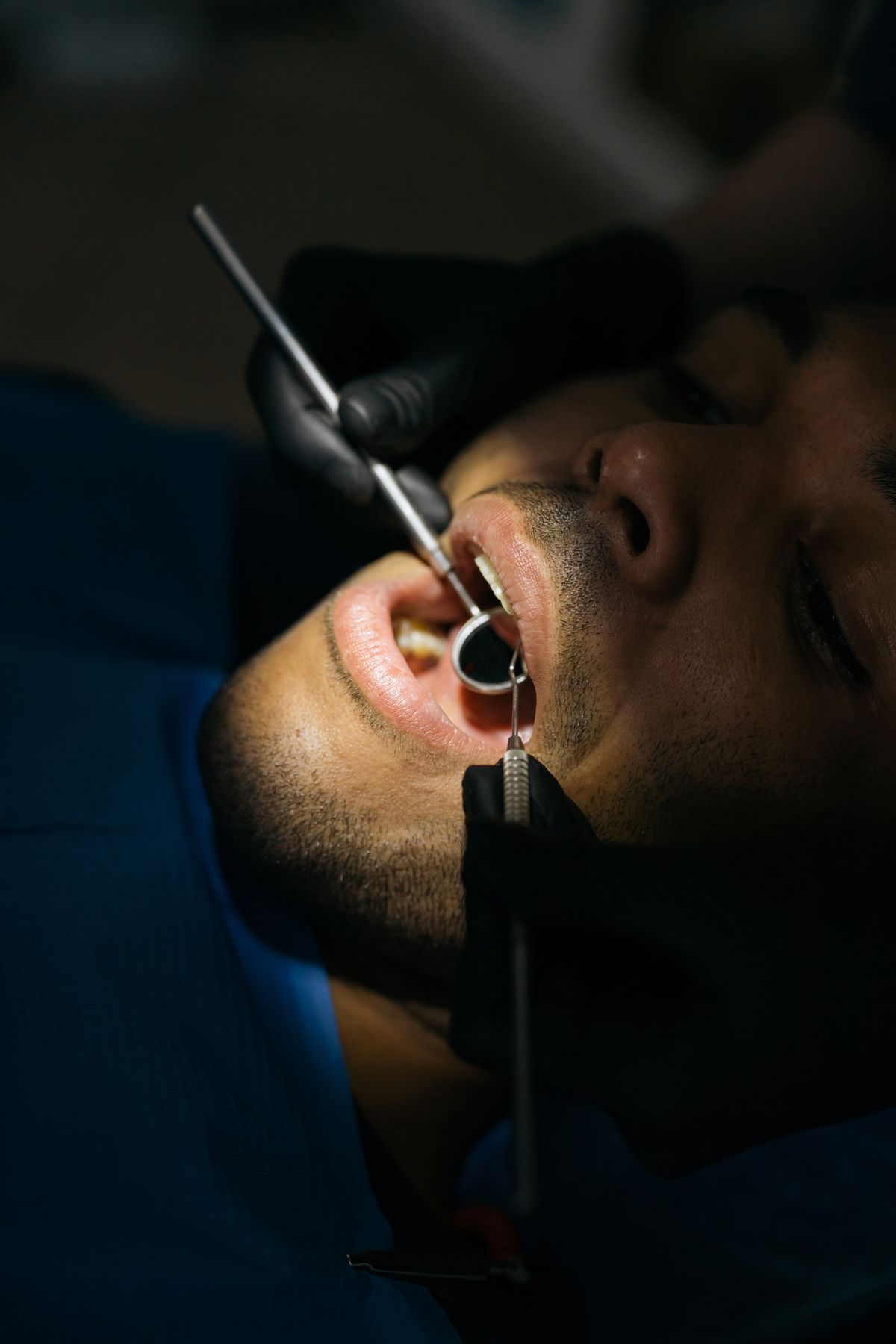

“Zyn gums” has become a common search this year, and for good reason: if you or someone in your house has switched to Zyn or another nicotine pouch, you’ve probably also seen the headlines about the FDA. In June 2026, the FDA authorized Philip Morris to market 20 Zyn products with a claim that they’re “less harmful” than cigarettes. What most coverage left out is what that claim actually covers — and what it doesn’t. It says nothing about your gums.
Short answer: the FDA’s 2026 authorization compares Zyn to cigarette smoke exposure only. It is not a statement that nicotine pouches are safe for your mouth. Dentists are seeing a real, specific pattern of gum irritation and localized recession where pouches sit against the tissue, and nicotine itself slows the gum’s ability to heal — regardless of how the product is legally allowed to be marketed.
What the FDA Actually Authorized in 2026 (and What It Didn’t)
On June 30, 2026, the FDA’s Center for Tobacco Products issued Modified Risk Tobacco Product orders allowing 20 Zyn nicotine pouch products to carry a specific claim: that switching completely from cigarettes to these pouches reduces exposure to the harmful chemicals found in cigarette smoke. That’s a narrow, scientifically defensible statement about combustion byproducts — tar, carbon monoxide, and the thousands of compounds produced when tobacco burns.
It is not a general safety claim. The FDA’s own order does not evaluate, and does not clear Zyn for, effects on gum tissue, enamel, or oral soft tissue. Nicotine pouches were never being compared to “no nicotine use” — they were compared to smoking. A product can legitimately be less harmful than a cigarette in one respect and still carry real risk to your mouth in another. Both things are true here, and most of the coverage after the FDA’s announcement blurred that distinction.
What a Nicotine Pouch Actually Does Inside Your Mouth
A pouch sits against one spot of gum tissue for 20 to 60 minutes at a time, often multiple times a day. That sustained contact matters more than people expect, for three reasons.
- Direct tissue contact. The pouch material, flavoring compounds, and sweeteners sit against the same patch of gum repeatedly, which is exactly the kind of chronic local irritation that produces visible tissue changes over weeks to months.
- Nicotine constricts blood vessels. Nicotine is a vasoconstrictor — it narrows blood vessels, including the small vessels that supply the gums. Less blood flow to the tissue means slower healing and a reduced ability to fight off the low-grade bacterial irritation that’s normal in any mouth.
- Consistent placement equals consistent damage. Because most users tuck a pouch in the same spot (usually the upper lip against the gumline), the wear pattern is localized rather than spread across the mouth — which is exactly what dentists report seeing: recession or whitening at one specific site rather than general gum disease.
Is Zyn Bad for Your Gums? What the Damage Looks Like
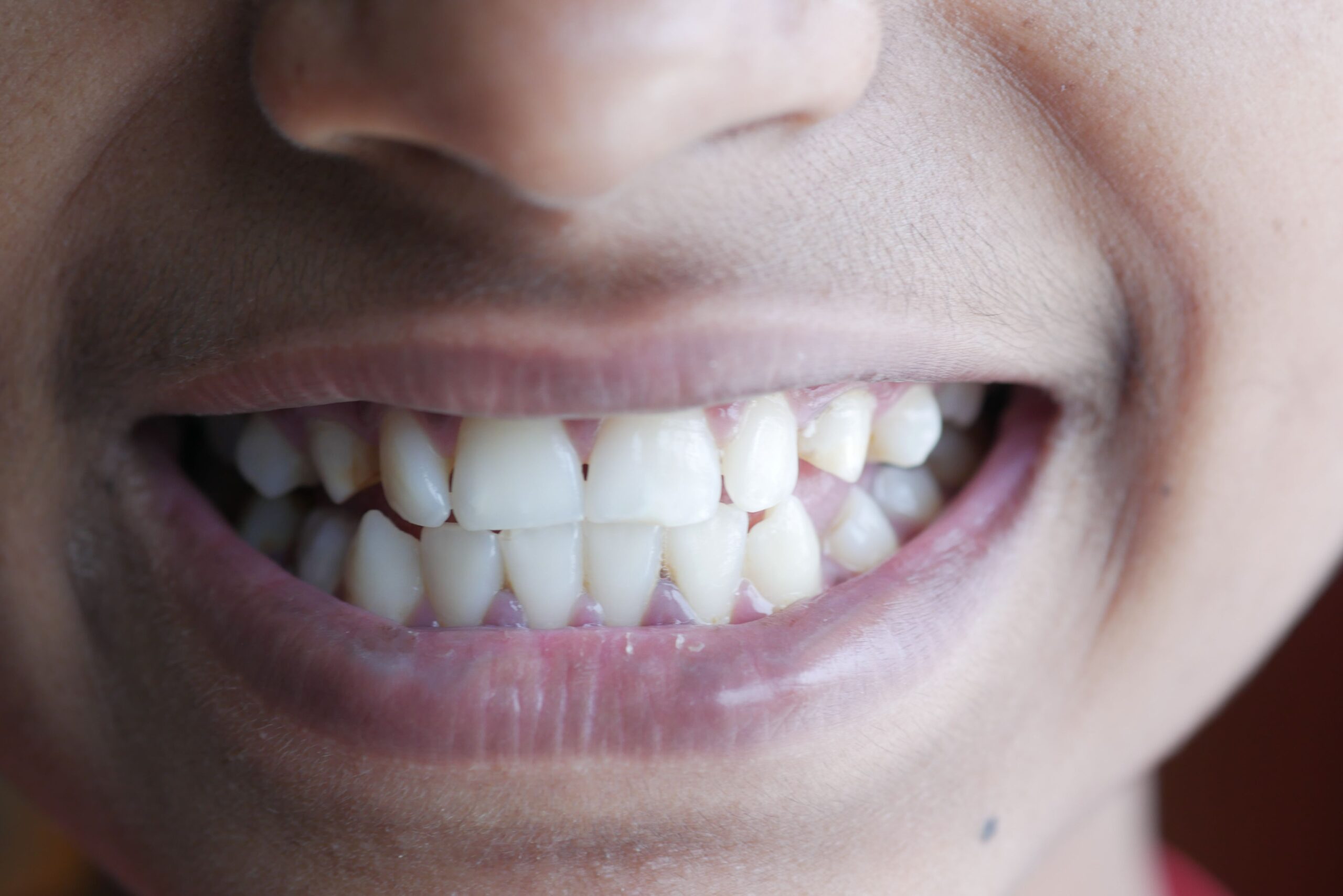
This pattern isn’t unique to pouches — it’s the same basic lesson behind why dentists keep warning patients off DIY social media trends: sustained, repeated contact between something abrasive or chemically active and one small area of tissue tends to cause localized damage long before it becomes an obvious problem. Across dental practices, the pattern being reported is consistent enough that it has a name in some offices: “pouch lesions” or “nicotine pouch keratosis.” The signs to watch for include a whitish, leathery patch of tissue at the pouch placement site, gum recession that exposes more of the tooth root than the surrounding gum, tenderness or a raw feeling after removing a pouch, and gum tissue that looks pulled back or thinner only on one side of the mouth.
This is a judgment call worth being direct about: recession caused by pouch placement is a mechanical and chemical injury pattern, not classic gum disease from plaque. That distinction matters for treatment — a dentist evaluating pouch-related recession is looking at tissue trauma and healing capacity, not primarily bacterial infection, even though both can eventually be present in the same mouth. Site rotation (not placing the pouch in the same spot every time) and shorter wear times measurably reduce the localized pattern, based on what’s consistently observed in patients who make that change. It’s worth pairing that habit with attention to gum health generally — gum tissue that’s already inflamed or receding carries risks that go beyond the mouth, which is part of why any new source of gum irritation deserves a closer look, not a shrug.
Cigarettes, Vaping, and Pouches: Comparing the Oral Health Picture
None of these products are neutral for your mouth. Each carries a different risk profile, and “less harmful than smoking” is not the same question as “safe for your gums.”
| Product | Main oral health risk | What the FDA’s 2026 claim covers |
|---|---|---|
| Cigarettes | Combustion byproducts, staining, gum disease, oral cancer risk | The comparison baseline — not addressed by the pouch claim itself |
| Vaping (e-cigarettes) | Dry mouth, inflammation, altered oral microbiome | Not covered by this authorization |
| Nicotine pouches (Zyn and similar) | Localized gum recession/irritation at placement site, nicotine-slowed healing | Covered only for reduced exposure to cigarette smoke chemicals if fully switched |
The Overlooked Risk: Teen Use Is Rising Fast

The part of this story that deserves more attention than the FDA marketing decision itself is who’s actually picking these products up. Public health researchers, including survey work highlighted by the CDC Foundation and USC’s Keck School of Medicine, have tracked a sharp rise in nicotine pouch use among U.S. teenagers, with recent estimates putting the number of teen users in the range of 400,000 nationally.
That’s the group most exposed to a claim like “less harmful than cigarettes” being read as “not harmful.” Most teens using pouches never smoked a cigarette to begin with, so the FDA’s comparison point doesn’t even apply to them — they’re not switching from something more harmful, they’re starting nicotine use from zero. For a teenager whose gum tissue is still developing, the localized irritation pattern described above happens on top of a nicotine dependence risk that has nothing to do with oral health at all.
Common Misconceptions Worth Correcting
“It doesn’t burn anything, so it can’t hurt my mouth” is the single most common misread of the 2026 FDA news, and it’s worth stating plainly: absence of smoke is not the same as absence of harm. A second misconception is that pouches are risk-free because they’re sold in flavors and marketed casually online — packaging and marketing tone have no bearing on what sustained nicotine and tissue contact actually does to gum tissue.
What To Do If You Use Nicotine Pouches
If you already use Zyn or a similar product, a few practical habits reduce the localized damage pattern: rotate placement instead of using the same spot every time, keep wear times shorter rather than leaving a pouch in for extended stretches, and pay attention to any patch of gum that looks paler, thinner, or pulled back compared to the tissue around it. See a dentist promptly if you notice gum recession, a sore that doesn’t heal within two weeks, persistent tenderness at one site, or any white or red patch that doesn’t resolve — these are the findings a professional needs to evaluate directly rather than watch and wait on. A randomized crossover study on nicotine pouch use and dental plaque characteristics found measurable tissue effects even over a short observation window, which lines up with what chairside observation has been showing.
Frequently Asked Questions
Is Zyn bad for your gums?
Yes, in a specific way: sustained contact between the pouch and one area of gum tissue, combined with nicotine’s effect on blood flow, commonly produces localized irritation or recession at the placement site. This is separate from the FDA’s 2026 claim, which only addresses cigarette-smoke exposure.
Does Zyn cause gum recession?
It can. The recession pattern linked to pouches tends to appear at the exact spot where the pouch is placed, rather than spreading evenly, which is a useful sign for telling it apart from ordinary gum disease.
Are nicotine pouches safer than cigarettes or vaping for your mouth?
They avoid combustion byproducts, which is the basis of the FDA’s 2026 claim. But “no smoke” doesn’t mean “no oral tissue risk” — pouches introduce their own, different pattern of gum irritation that cigarettes and vaping don’t cause in the same way.
Can nicotine pouches cause tooth or gum damage in teens?
Yes, and the risk is arguably more relevant to teens than adults, since most teen users aren’t switching from cigarettes at all — they’re starting nicotine exposure from zero, on top of gum tissue that’s still developing.
How long does it take for gum irritation from nicotine pouches to heal?
Mild irritation from occasional or short-term use can improve within one to two weeks after stopping contact at that site. Established recession does not reverse on its own and needs a dentist’s evaluation.
What are the early warning signs of gum damage from nicotine pouches?
Watch for a whitish or leathery patch at the placement site, gum that looks thinner or pulled back on one side only, tenderness after removing a pouch, or a sore spot that doesn’t heal within about two weeks.
The FDA’s 2026 decision is accurate as far as it goes: for someone who fully switches from cigarettes, it does reduce exposure to the chemicals produced by burning tobacco. What it doesn’t do is clear nicotine pouches as safe for gum tissue, and the localized recession pattern dentists are describing is real regardless of how the product is marketed. Whether you’re using a pouch yourself or keeping an eye on a teenager who is, that distinction is the one worth remembering.