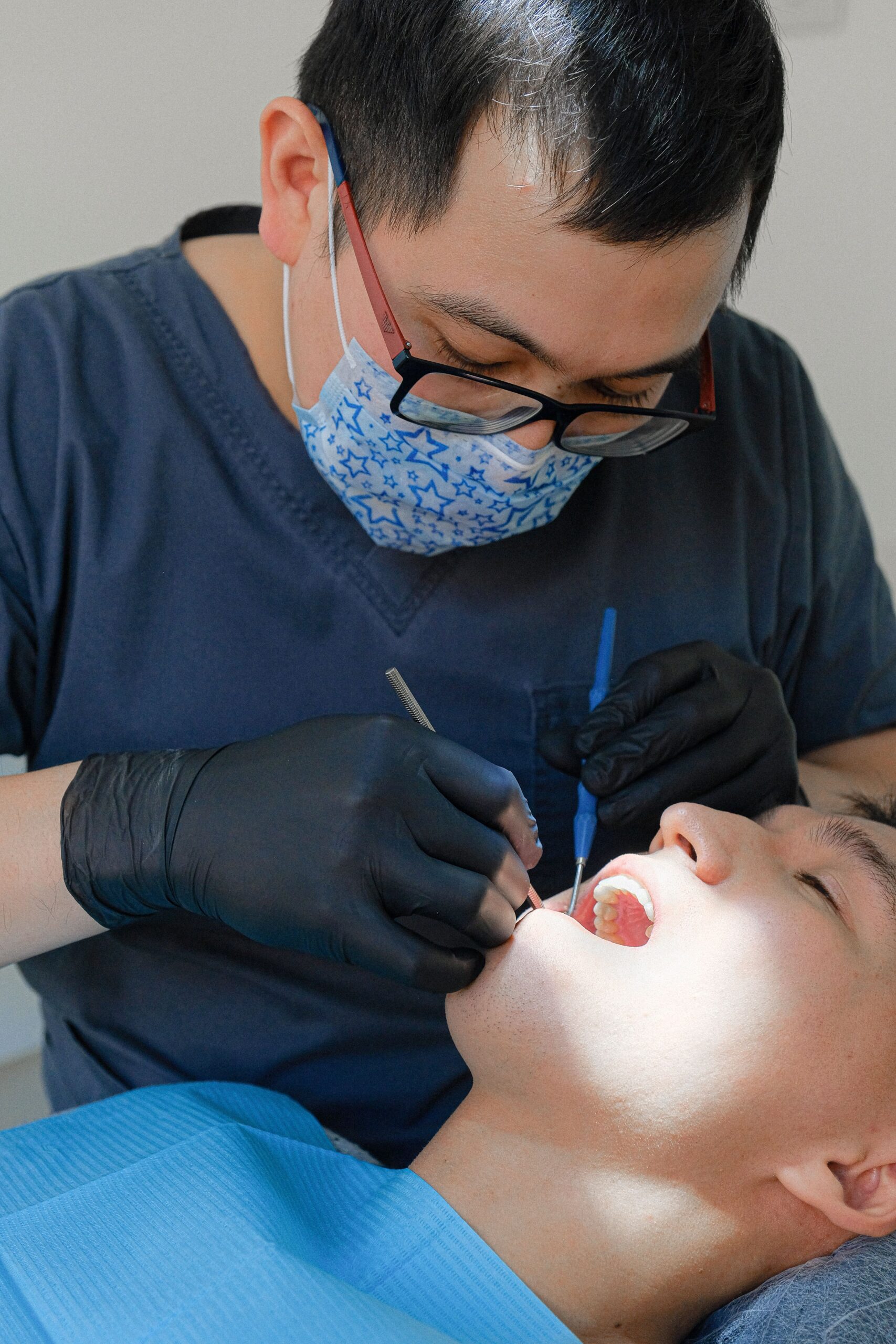
A cracked tooth can look perfectly normal in the mirror and still hurt every time you bite into something. Dentists see this pattern constantly, and it is one of the harder problems in dentistry to diagnose because the pain is unpredictable and the crack is often too fine to show on an X-ray.
The short answer: a cracked tooth does not heal on its own. The American Association of Endodontists is direct about it, noting that unlike a broken bone, the fracture in a tooth will not mend. How much treatment you need depends almost entirely on how early the crack is found and whether it has reached the nerve.
What Are the Signs of a Cracked Tooth?
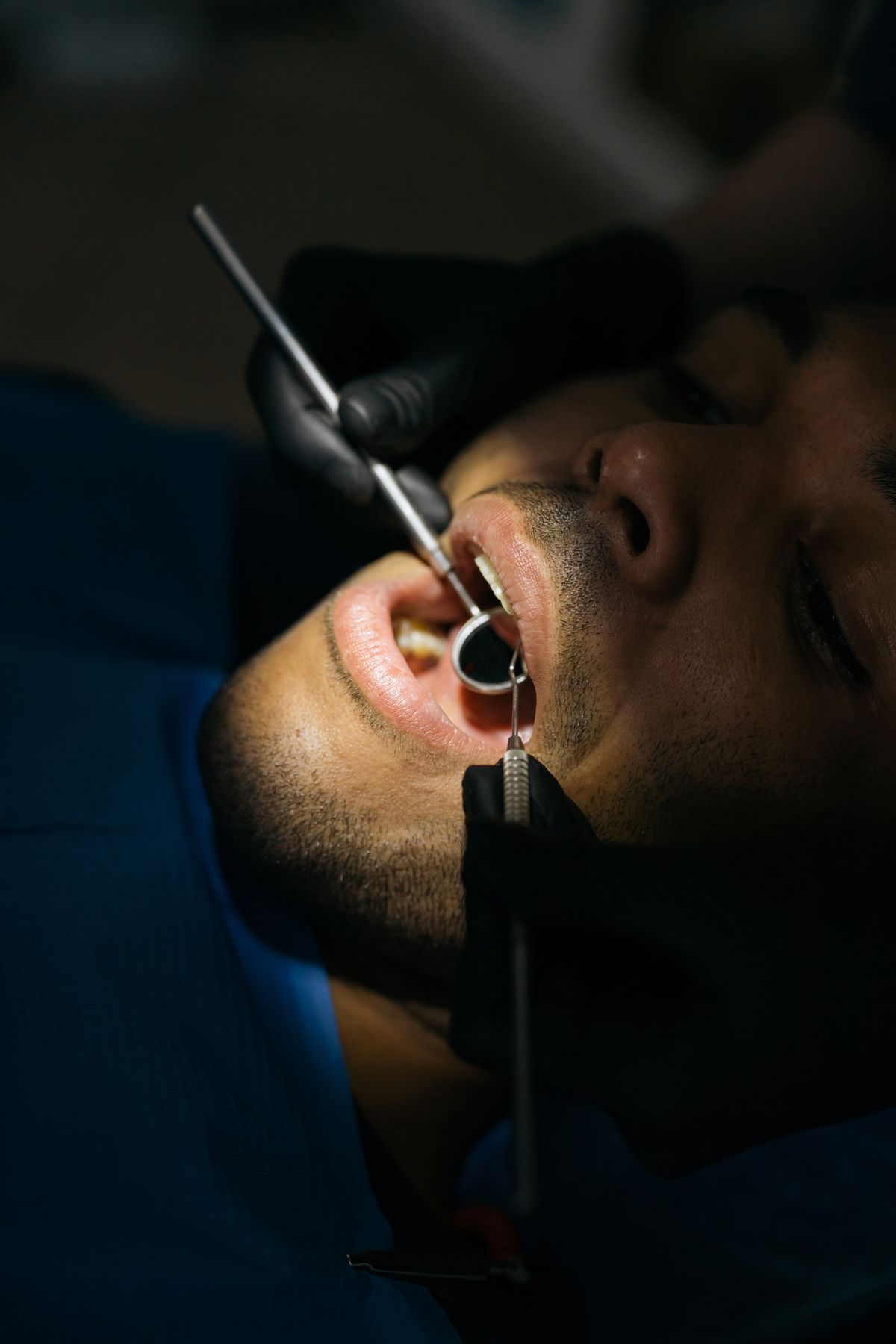
The classic sign is a sharp jolt of pain when you chew, often felt when you release the bite rather than when you press down. Sensitivity to cold, heat, or sweets is the second most common complaint. Both symptoms tend to come and go, which is exactly why people put off calling.
Other signs worth noticing include a rough spot your tongue keeps returning to, pain that only happens on one particular tooth, and a bite that feels slightly uneven. Swelling in the gum near the tooth, a bad taste, or a pimple-like bump on the gum points to infection and should be looked at quickly. Cleveland Clinic lists persistent pain, fever, and swollen gums as signs that a crack has progressed to an abscess.
Which Type of Crack Do You Have?
Not every crack is a problem. The endodontists’ association groups them into five types, and the difference between them decides whether you need a polish or a root canal.
| Crack type | What it is | Typical outcome |
|---|---|---|
| Craze lines | Tiny surface cracks in the enamel, very common in adult teeth | Usually painless and needs no treatment |
| Fractured cusp | A piece of the chewing surface breaks off, often around an existing filling | Rarely reaches the nerve; commonly restored with a crown |
| Cracked tooth | A vertical crack running from the chewing surface toward the root | Can worsen over time; often needs a crown, sometimes a root canal first |
| Split tooth | A crack that has progressed so segments can separate | Cannot be saved intact; parts may sometimes be kept |
| Vertical root fracture | A crack that starts in the root and moves up | Few early symptoms; often found once infection appears, and extraction is common |
What this table shows in practice is that the two types people worry about least are the two that cause the most lost teeth. Craze lines look alarming and mean nothing. A hairline vertical crack looks like nothing and can decide whether a tooth survives.
Why Are Cracked Teeth So Common Right Now?
Clenching and grinding are the main drivers. A 2026 clinical review in The Probe reported that more than half of dentists saw higher rates of bruxism after COVID-19, and that the rate of cracked teeth rose during the initial outbreak and stayed elevated a year later. Chronic stress and disrupted sleep are the usual explanations.
The other contributors are older and larger fillings that leave the remaining tooth walls thin, chewing ice or hard candy, and using teeth as tools. Since most people who grind do it asleep, a cracked molar is often the first evidence they were grinding at all.
What Should You Do in the First 24 Hours?
Call a dentist the same day if you can, and in the meantime keep the tooth calm. Rinse with warm salt water, avoid chewing on that side, and hold a cold pack against the outside of your cheek if there is swelling. Cleveland Clinic also lists over-the-counter anti-inflammatory pain relievers as a reasonable stopgap, provided they are safe for you. Keep any fragment that came off and bring it along.
Skip the glue. Videos that promise a home fix for a cracked tooth are a real trend, and we cover why they cause damage in our article on TikTok dental hacks. Dental wax or temporary filling material from a pharmacy can cover a sharp edge for a day or two, but it does nothing for the crack itself.
Go to an emergency dentist right away if you have facial swelling, fever, or a tooth that has split visibly.
How Do Dentists Find and Repair a Cracked Tooth?
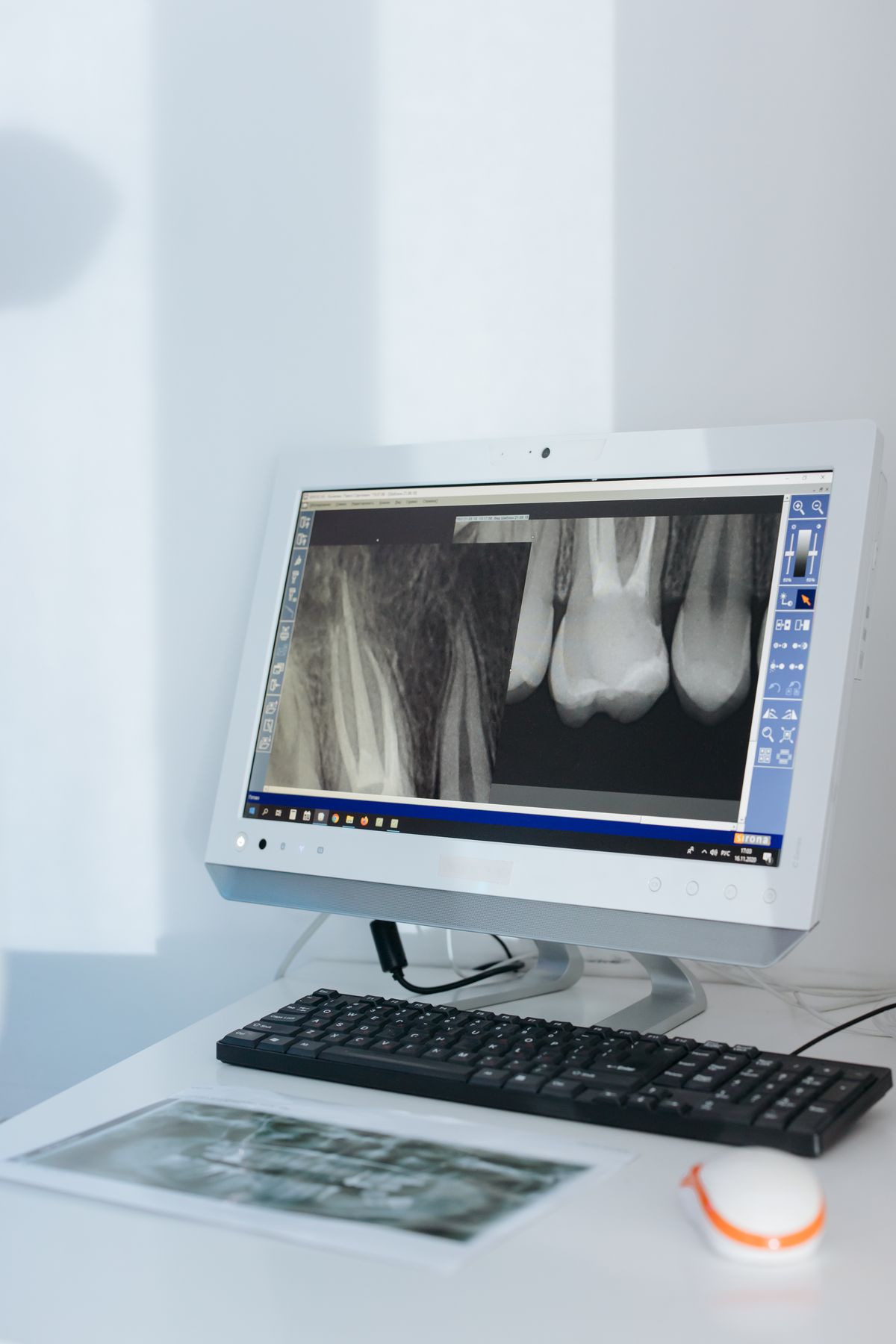
Because a crack often will not appear on a standard X-ray, diagnosis relies on several small tests. The same review describes bite testing to reproduce your pain on a specific tooth, transillumination with a bright light to reveal crack lines, dye staining to trace how far one runs, and 3D imaging (CBCT) for complex cases.
Treatment follows the depth of the crack:
- Bonding or contouring for shallow chips and rough edges that have not reached the pulp.
- A crown for a crack in the chewing surface, because it holds the tooth together and stops the crack from spreading under bite pressure.
- A root canal followed by a crown when the crack has irritated or infected the nerve.
- Extraction and a replacement such as an implant when the crack has split the tooth or run into the root.
A crown is a bite-tested restoration built to fit one tooth precisely, which is why speed and price should not drive that decision. Our piece on veneers and crowns done abroad explains what tends to go wrong when they do.

Is It Safe to Wait for the Pain to Settle?
No, and this is where we disagree with the “wait and see” advice that appears on many general health sites. Some sources describe a cracked tooth as something to monitor when pain is mild. Endodontic sources describe the opposite risk: the crack keeps advancing, and once it extends into the root the tooth is often not salvageable.
Both statements are true, and the difference is the type of crack. Craze lines can be watched. A cracked tooth that hurts when you bite cannot, because intermittent pain is the symptom that misleads people. The gaps between episodes feel like healing, but the fracture has not changed. Our position is that any tooth that hurts on biting deserves an exam within days, not weeks. A crown placed early on a tooth with a healthy nerve is a much smaller treatment than a root canal and crown placed later, and far smaller than an implant.
How Can You Prevent a Cracked Tooth?
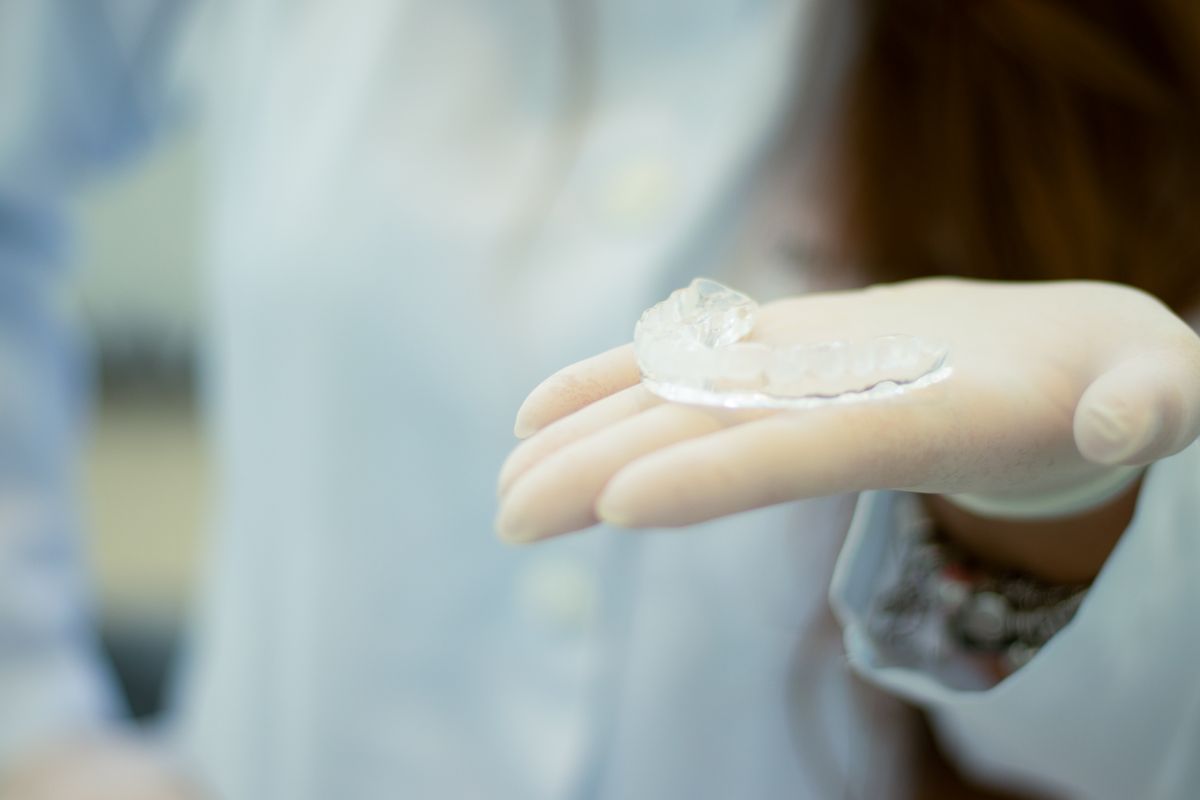
If you clench or grind, a custom night guard is the single most useful protection, and it is worth asking about if you wake with jaw soreness or morning headaches. Beyond that, avoid chewing ice, popcorn kernels, and hard candy, never open packaging with your teeth, and wear a mouthguard for contact sports. Regular checkups matter for a specific reason here: large old fillings can be assessed before the surrounding tooth gives way.
Frequently Asked Questions About Cracked Teeth
Can a cracked tooth heal on its own?
No. Tooth enamel and dentin do not knit back together the way bone does, so a crack stays and can lengthen under chewing pressure. Pain may fade for a while, but the fracture remains. Treatment protects the tooth rather than repairing the crack itself.
Does a cracked tooth always need a root canal?
No. A crack that stays in the outer tooth structure can often be managed with bonding or a crown. A root canal is needed when the crack reaches the nerve and causes lingering pain, temperature sensitivity, or infection. Earlier diagnosis makes the root canal less likely.
How can I tell a cracked tooth from a cavity?
Cavity pain is usually steady and tied to sweets or cold, while cracked tooth pain is typically sharp, brief, and triggered by biting, especially on release. The two can coexist, and only an exam with bite testing and imaging can separate them reliably.
What can I take for pain until my appointment?
Over-the-counter anti-inflammatory medicine is a common stopgap if it is safe for your health and medications. Rinse with warm salt water, avoid chewing on that side, and use an external cold pack for swelling. Seek care immediately if you develop fever or facial swelling.
Can a cracked tooth be saved?
Often, yes, when the crack is caught before it reaches the root. Crowns and root canals save many cracked teeth, and most treated teeth function well for years. A split tooth or a crack that runs below the gum line is much less likely to be saved.
A cracked tooth rewards early attention more than almost any other dental problem, because the same crack that costs a crown in its first month can cost a tooth later. The sources cited here agree on that point: the American Association of Endodontists and Cleveland Clinic both describe timing as the deciding factor, and a published literature overview on cracked tooth syndrome covers the diagnostic difficulty in more depth.